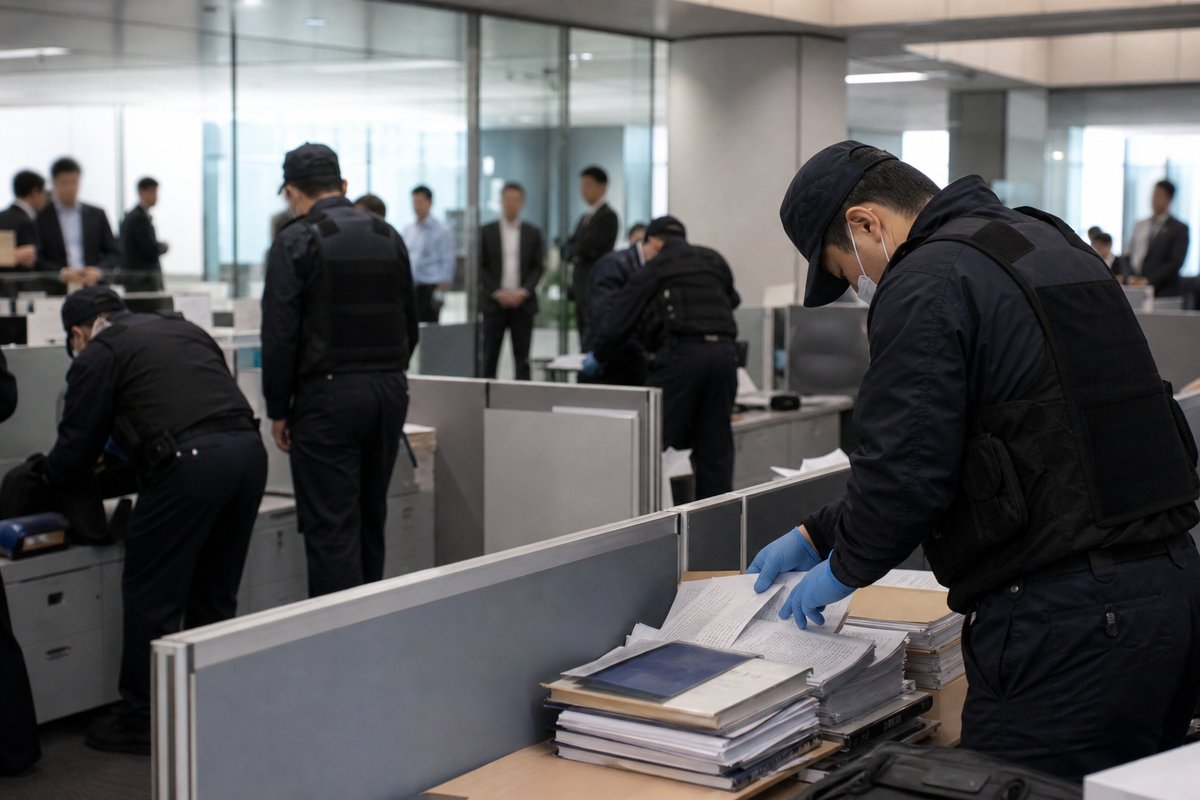
South Korean police have raided the national headquarters of Starbucks Korea over allegations linked to a promotional campaign that drew accusations of insulting victims of the country’s military dictatorship era. The case centers on a coffee tumbler promotion called “Tank Day,” launched in May by Starbucks Korea.
The campaign was unveiled on the anniversary of the 1980 Gwangju Uprising, when hundreds were believed to have been killed by military forces. Many South Koreans interpreted the use of the word “tank” as a reference to the vehicles deployed against pro-democracy protesters, and the promotion quickly sparked a boycott movement. Starbucks withdrew the campaign soon after, saying the connection was unintentional.
Backlash spread beyond the company
Civic groups later filed a criminal complaint, asking police to investigate whether the promotion defamed victims of the military dictatorship. Shinsegae Group, which runs Starbucks in South Korea, said an internal review found the error was not deliberate and that both the planning team and senior management failed to notice the historical association. The company also apologized for what it called inappropriate marketing and said the controversy had badly hurt sales in one of Starbucks’ largest markets. It later dismissed its chief executive.
The fallout extended beyond the company itself. In June, Starbucks stores across South Korea closed for half a day so employees could attend history lessons. The controversy also became part of the political debate during local election season, with President Lee Jae Myung criticizing the campaign as an insult to the victims and the struggle of Gwangju residents. The issue even became a talking point between the country’s two main political camps, with the government backing a boycott while the opposition accused it of overreach.
According to the report, the promotional material also included the phrase “tak on the table!”, a line intended to echo the sound of something being slapped down. But “tak” was also associated with a controversial police statement from 1987 about the death of a student activist in custody, deepening criticism of the campaign.
Source: bbc.co.uk