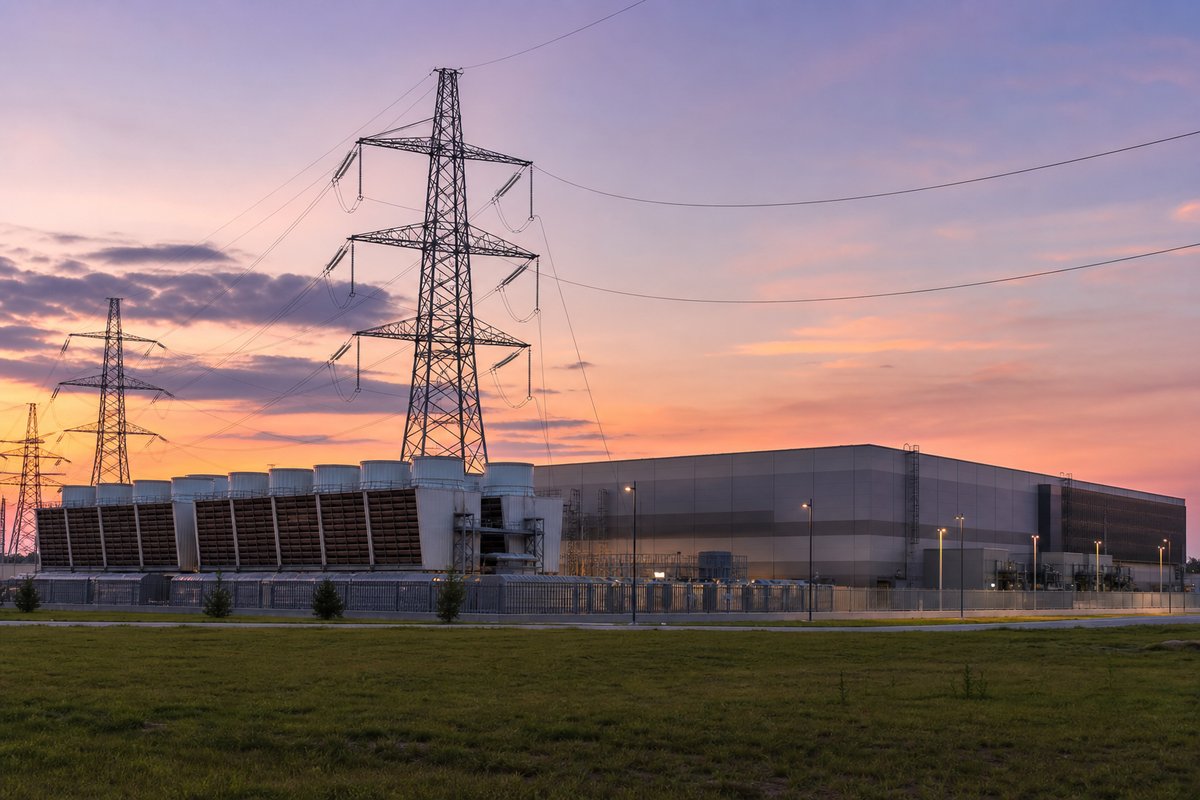
New York has moved to stop approvals for new large data centers, becoming the first state in the US to impose a statewide construction moratorium of this kind, according to the report. Governor Kathy Hochul signed an executive order that immediately pauses environmental permits for facilities using more than 50 megawatts of power, with the freeze set to last for up to a year.
The administration says the pause is meant to give state officials time to develop rules that better protect the power grid, the environment and nearby communities. Hochul said New York intends to set the nation’s toughest standards for data center development, arguing that the state should benefit when companies succeed there. The order does not apply to projects that already have the necessary permits.
Part of a wider policy fight
The executive order is separate from the Responsible Data Center Development Act, which passed the state legislature last month. That bill would also block permits for a year, while adding energy-efficiency requirements and community benefit provisions. Hochul has not yet signed the legislation, but is still weighing it. She has previously voiced support for artificial intelligence as both a research tool and an economic driver.
The move comes as data centers face growing resistance in several states, where lawmakers and local officials are debating the strain such facilities can place on electricity systems and public resources. Maine passed a similar moratorium through its legislature, though it was vetoed by Governor Janet Mills. Other states, including Washington, Wisconsin, Illinois, Pennsylvania, New Hampshire, Connecticut and South Carolina, are also considering related measures, while some cities, such as Seattle, have already adopted local restrictions.
Hochul, who has generally been seen as pro-business, had earlier suggested that decisions on data center limits should be left to local governments. But ahead of local elections, she chose to act at the state level, saying the facilities could raise utility bills, use up natural resources and create uncertainty for residents.
Source: engadget.com