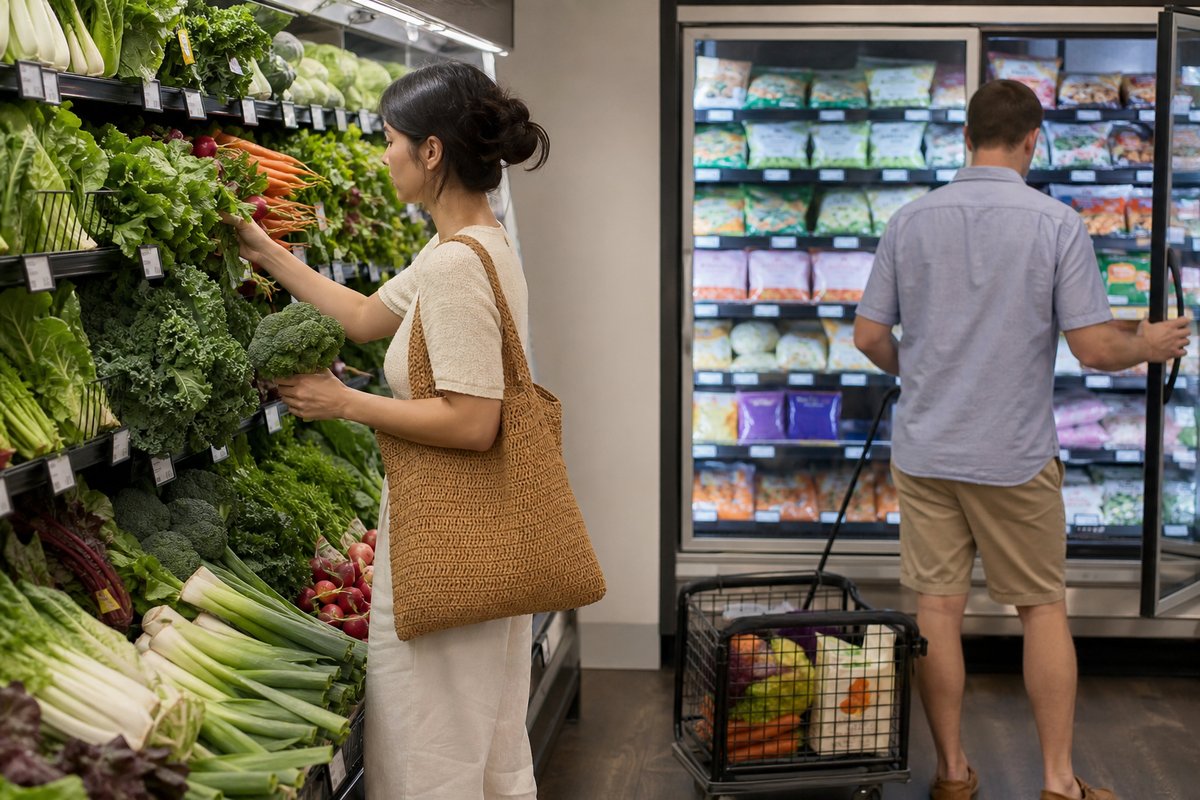
Sticker shock in the produce section is becoming harder to ignore. Tomatoes have drawn the most attention, but the broader picture is similar across fruits and vegetables. According to consumer price data from the U.S. Bureau of Labor Statistics, tomato prices rose by about one-fifth from June 2025 to June 2026. Over the same period, lettuce climbed roughly 32%, fresh vegetables overall increased about 10%, apples rose 7%, and citrus fruit went up 6%.
Several forces are behind the increase, according to the report. Weather disruptions have reduced supply, including unusual freezes in Florida in early 2026 that affected crops such as citrus, strawberries, blueberries, tomatoes, and sweet corn. Trade policy has also played a role. In June 2025, the U.S. Commerce Department ended the U.S.-Mexico Tomato Suspension Agreement, which removed duty-free access for Mexican tomatoes and effectively added a 17% antidumping duty on most imports. Because imports make up about three-quarters of the U.S. tomato supply and Mexico provides most foreign-grown tomatoes, the change tightened supply. Tomato imports were also reported to be down 13% year over year.
Cost pressures are also building deeper in the supply chain. Farms growing labor-intensive crops have faced worker shortages and higher wages, while fertilizer prices have jumped because of disruptions tied to the Iran war. U.S. government data cited in the report shows fertilizer prices paid to manufacturers were up more than 20% year over year in June 2026, and nitrogen fertilizer prices rose 46%. Fuel has also become more expensive, with prices up about 27% over the year, and refrigerated truck rates were 20% higher in June 2026 than a year earlier. These increases affect both production and delivery, even though producer costs account for only about one-third of retail produce prices.
For consumers, the impact is showing up in shopping behavior. A May 2026 survey found one in three households had cut back on fresh produce purchases. Still, the report notes that some lower-cost options remain available. Bananas, oranges, potatoes, dried beans, peas, and lentils have been less affected by inflation, and canned or frozen fruits and vegetables can offer savings as well. Prices for processed produce rose just 3% year over year, while frozen produce increased 2.4%. One in five shoppers has already shifted from fresh to frozen produce, suggesting that many households are adjusting their buying habits as produce inflation persists.
Source: fastcompany.com