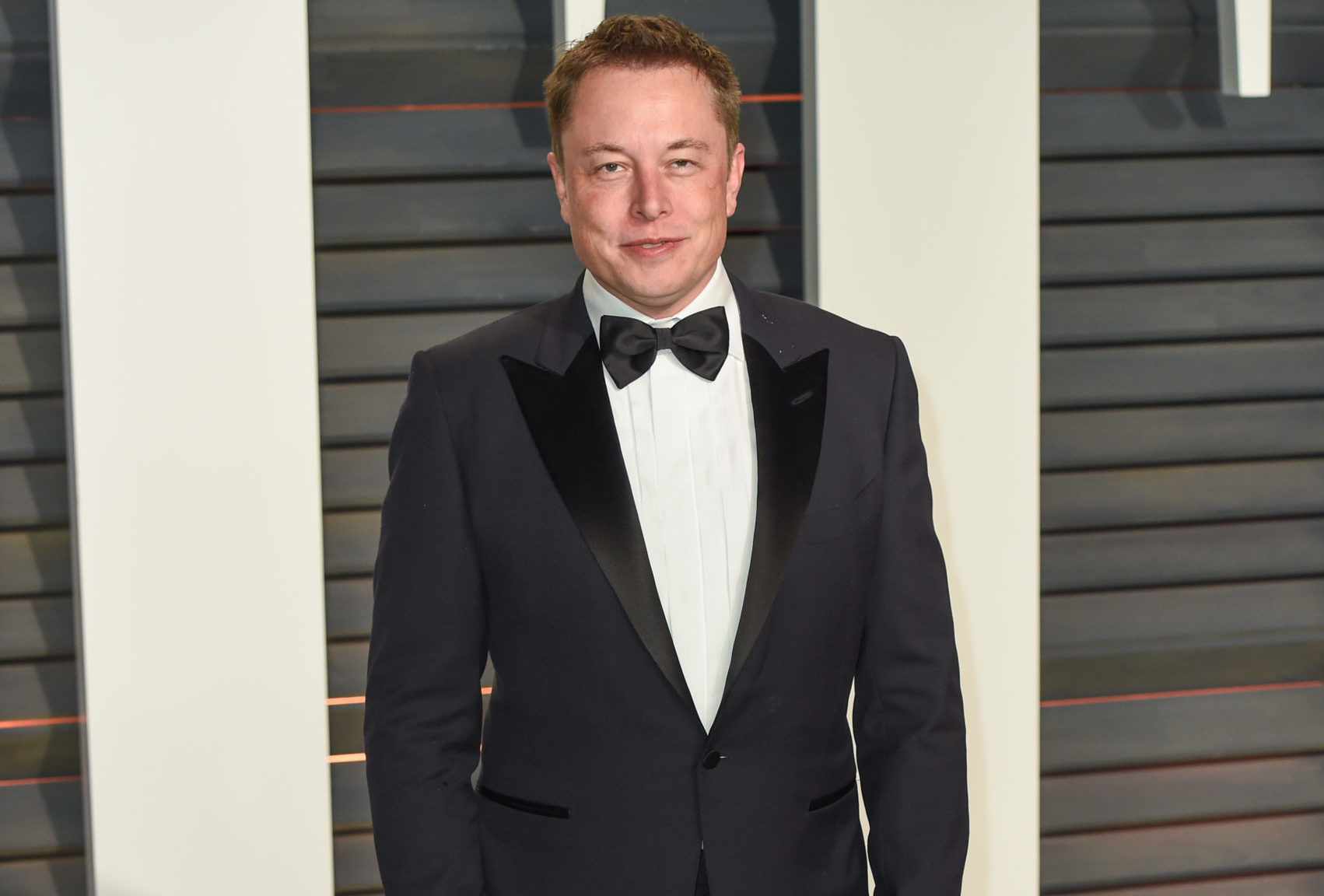
Peter Thiel has spent decades making the case that regulation slows technological progress, and he has backed that view with his investments, political spending, and public commentary. Now, according to the report, he has taken a more unusual step: turning that long-running argument into a theological claim about the “Antichrist.”
Thiel’s latest essay, co-written with Sam Wolfe and published in First Things, presents the figure not as a brutal dictator or a cartoon villain, but as a polished technocrat. In this framing, the modern Antichrist speaks in the language of safety, ethics, and global coordination, while building broad regulatory systems and invoking existential threats such as climate change, artificial intelligence, and nuclear war to justify stronger institutional power. The piece draws on the writings of Vladimir Solovyov and Pope Benedict XVI, and it expands on ideas Thiel first aired in a private lecture series in San Francisco in 2025 before repeating them in Rome the following year.
The article notes that Thiel’s theological argument closely tracks his political and business worldview. He has long criticized the regulatory state, co-founded Palantir, backed Facebook early, invested in AI companies, and emerged as one of Silicon Valley’s most influential political financiers. His recent writing takes aim at the kind of public officials and advocates who want to regulate technology and climate risks, portraying them as the clearest real-world echo of the force he is describing. The result is a theory that is both religious and political, but also one that reflects the same anti-regulatory instinct that has shaped Thiel’s career as a founder, investor, and power broker.
By moving the idea into print for a second time, Thiel has shifted it from a private lecture circuit into a more formal public statement. The report says the concept has already drawn attention because it recasts familiar debates over oversight, safety, and institutional authority in apocalyptic terms, while placing the people pushing for greater control at the center of his warning.
Source: fortune.com