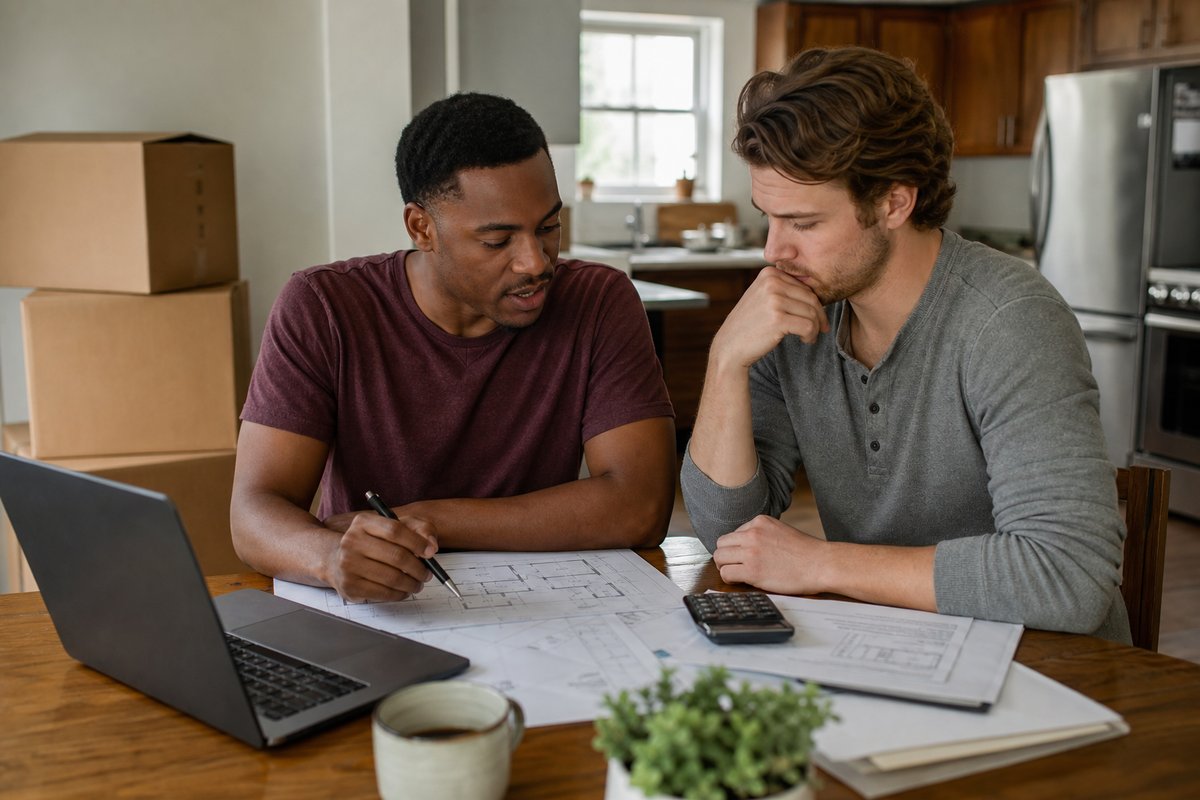
For many people living alone, the expense of housing can make the path to homeownership much harder. According to the report, the so-called singles tax can show up in rent or mortgage payments, household bills, subscriptions and travel costs that couples can share. Estimates vary, but the extra cost of being single has been put at anywhere from hundreds of pounds to as much as £10,000 a year on average.
That pressure is pushing some friends to buy property together instead. One example in the report is Leanne and Sarah, who decided to purchase a house in Kent after both wanted to move back to the area where they had grown up. Leanne had recently split from a partner and Sarah was renting in Brighton, and both felt buying alone would be difficult. After speaking with a mortgage adviser, they moved ahead with a joint purchase and structured the arrangement carefully, including a minimum period of co-ownership, proportional mortgage payments based on salary, and a declaration of trust to protect them if the home was sold.
Shared ownership, shared savings
The pair say the arrangement allowed them to divide bills through a joint account, share some meals and cooking, and build a larger deposit and budget than either would have managed alone. They sold the home at a profit four years later and used the equity to help fund separate purchases. Their experience later inspired a friend to launch Cucoon, an online platform designed to match singles who may want to buy together and make housing more accessible.
The wider issue is significant. Official figures show that 18.5 million people in the UK had never been married or in a civil partnership in 2024, representing 36.8% of people aged 16 and over. Last year, 8.6 million people were estimated to be living alone, close to a third of all households. The report also notes that some savings strategies for single people include renting out spare space, sharing meals, borrowing items through friends, and coordinating errands to reduce costs.
Source: bbc.co.uk