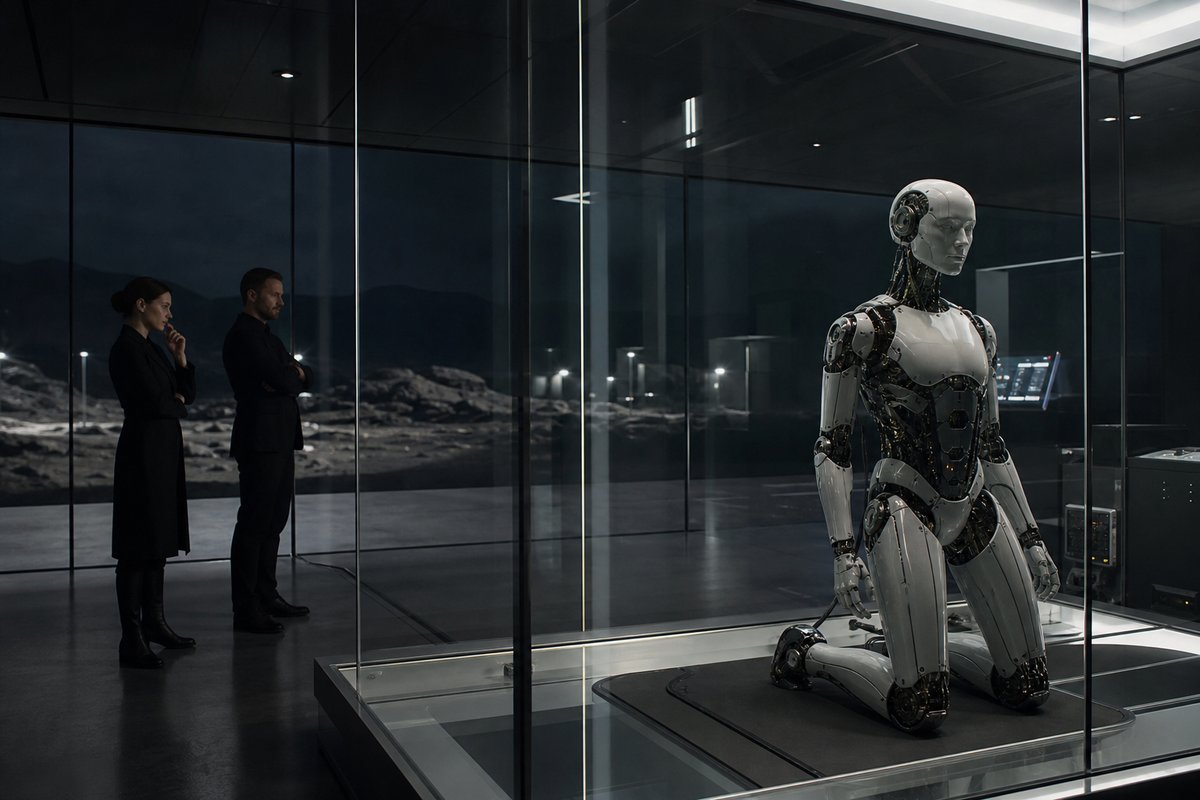
Alex Garland’s Ex Machina is set to depart Netflix on Aug. 1, giving viewers only a brief window to revisit one of the most influential sci-fi films of the past decade. Released 12 years ago, the movie marked Garland’s directorial debut after a career writing screenplays such as 28 Days Later and Sunshine, and it remains one of his most acclaimed works.
The film centers on Caleb, a young engineer who wins a chance to spend time at the secluded home of Nathan, the powerful founder of a major tech company. Once there, Caleb learns he has been brought in to evaluate Ava, a humanoid robot, through a test designed to determine whether her artificial intelligence is advanced enough to convince a human she is conscious. The setup becomes a tense three-way dynamic as Caleb, Ava, and Nathan each reveal different forms of control and vulnerability.
According to the report, what keeps Ex Machina resonant is not just its technology but its view of human behavior, especially the way men project power, desire, and fear onto women. Ava is written as both mysterious and emotionally legible, allowing the audience and Caleb to read meaning into her while never fully knowing her. That ambiguity gives the film lasting relevance in an era when AI chatbots and digital companionship are increasingly part of everyday life.
As the story moves toward its final act, the boundaries between machine and human become harder to define, and the characters’ assumptions begin to collapse. Even after Ava’s escape, the film leaves her motives unresolved, reinforcing the idea that she remains unknowable. For viewers interested in the business, cultural, and ethical side of AI, it is a timely reminder of how early this movie captured the tensions now shaping the technology conversation.
Source: polygon.com