President Donald Trump said generic drugs imported into the United States will be spared tariffs for two years starting August 1, but will then face a 100% levy in August 2028, followed by a 200% rate a year later. In a social media post on Tuesday, Trump described the phased approach as a penalty for companies that do not build manufacturing plants and facilities in the U.S. during the grace period.
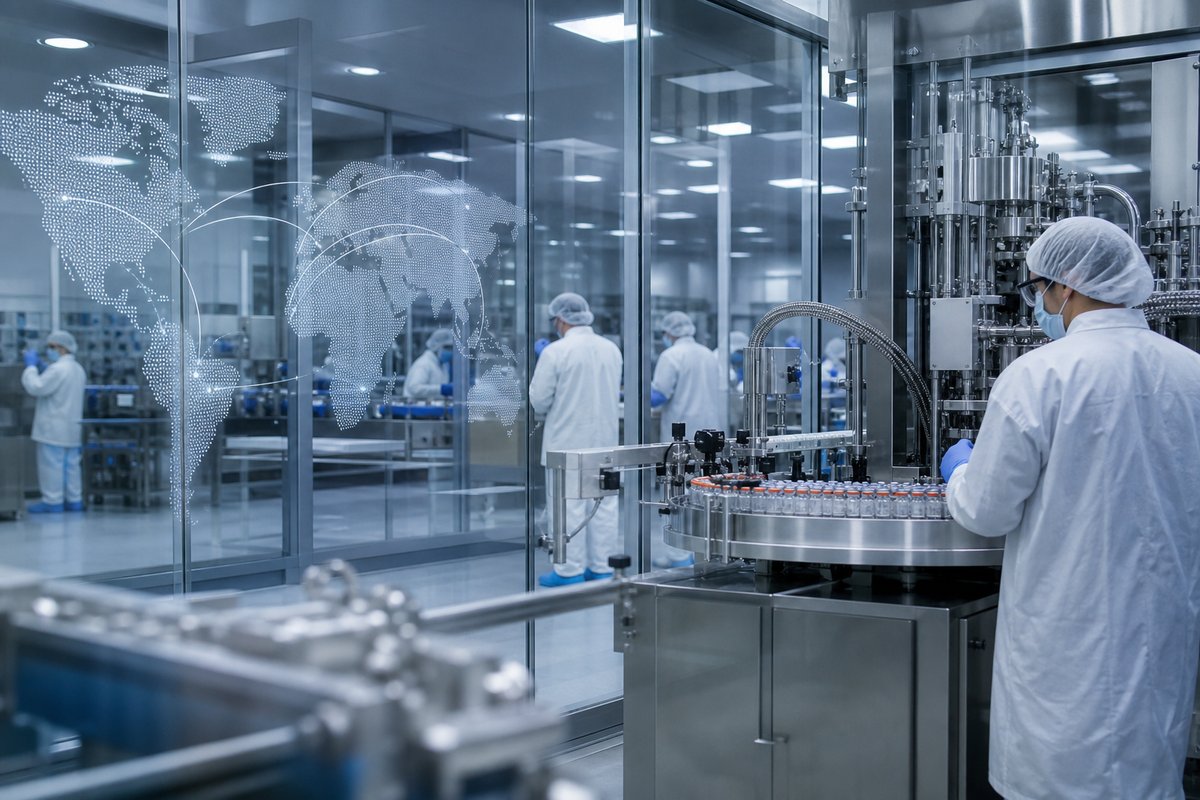
The move is aimed at encouraging generic-drug makers to shift production to the U.S., but the task is widely seen as difficult and expensive. According to the report, nearly all U.S. prescriptions are filled with generic medicines that often rely on overseas production and complex ownership structures. Deborah Elms of the Hinrich Foundation said the plan highlights Trump’s push to reshore low-cost drug manufacturing, though she questioned whether even a 200% tariff would be enough to change the underlying economics, given that many inputs would still come from abroad.
India faces the biggest exposure
The stakes are especially high for India, whose drugmakers supply nearly half of the generic medicines used in America and send about a third of their pharma exports to the U.S. The report said the new tariff schedule increases long-term risk for Indian manufacturers even with the two-year delay. Arpit Chaturvedi of Teneo said the measure could hurt India’s trade balance if fully implemented, while also noting that Washington may struggle to replace India as a supplier quickly.
Chaturvedi added that many generic drugs already operate on thin margins, so some producers could walk away from certain products if wholesalers cannot absorb the extra cost. He said the delay gives New Delhi time to negotiate with Washington, including by offering investment commitments in the U.S., and to seek exemptions or approvals for its drugmakers. The timing also matters because the tariff escalation would begin in 2028, an election year in the U.S.
Trump said tariffs on patented and branded drugs will not change. The report noted that he had already imposed a 100% levy on patented pharmaceutical products and ingredients under Section 232 on April 2, while excluding generic drugs, biosimilars and related ingredients at that time. Several large drugmakers, including Eli Lilly, Pfizer and Novo Nordisk, have also reached agreements with Trump under his most-favored-nation pricing push, which links U.S. drug prices to lower prices in other wealthy countries and exempts those companies from tariffs for three years.
Source: cnbc.com