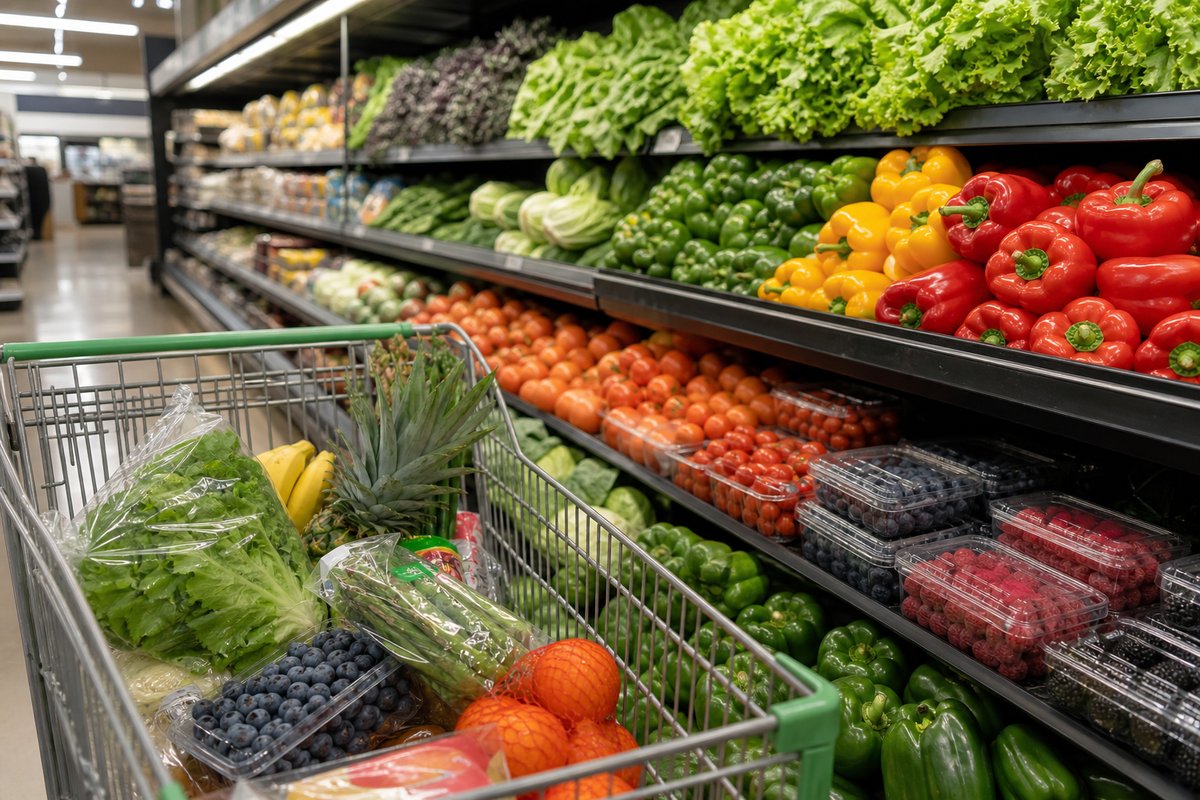
Shoppers are seeing noticeably higher prices in the produce aisle, with tomatoes, lettuce, berries, peppers and other fruits and vegetables all becoming more expensive over the past year. According to consumer price data cited in the report, tomato prices rose by about 20% from June 2025 to June 2026, while lettuce climbed roughly 32%. Fresh vegetables overall were up about 10%, while apples rose 7% and citrus fruit increased 6%.
Several forces are contributing at once. Weather disruptions have reduced supply, including unusual freezes in Florida early in 2026 that damaged crops such as citrus, strawberries, blueberries, tomatoes and sweet corn. Trade policy has also played a role. The report notes that the U.S. Commerce Department ended duty-free access for Mexican tomatoes in June 2025 by withdrawing from the Tomato Suspension Agreement, effectively imposing a 17% antidumping duty on most tomato imports. Because imports make up about three-quarters of the U.S. tomato supply, and Mexico provides most foreign-grown tomatoes, consumers have felt the impact.
Costs are also rising deeper in the supply chain. Labor shortages have pushed up wages for growers, while fertilizer prices have surged amid disruptions tied to the Iran war. Government data cited in the report show fertilizer prices paid to manufacturers were up more than 20% year over year in June 2026, and nitrogen fertilizer prices rose 46%. Fuel has become more expensive as well, with prices up about 27% over the year, and refrigerated truck rates were 20% higher in June 2026 than a year earlier. Since fresh produce is costly to grow and move, these pressures are feeding through to retail prices.
The report says broad relief is unlikely to arrive quickly because the same inflation drivers are affecting multiple parts of the economy at once. Producer costs do not translate perfectly into shelf prices, but they are shaping the higher baseline shoppers are now seeing. For households already stretched by inflation, the burden is especially heavy for those who spend a larger share of income on groceries.
Source: fortune.com