The global beauty industry is shifting rapidly in 2026. While advanced formulas offer better results than ever, understanding the real data behind product pricing, active ingredients, and marketing trends can help consumers make smarter financial choices.
The Current Market: What Is Driving the Price Up?
The global skincare market is currently valued at over $162 billion, with projections pointing to $222 billion by 2030, according to industry estimates. The United States accounts for roughly 16% of this global spending, making it one of the most influential and rapidly growing markets worldwide.
Prices in the premium tier are largely driven by a few key factors that go beyond simple manufacturing:
• The rise of complex biotechnology and fermented ingredients
• Expensive investments in sustainable and eco-friendly packaging
• Advanced clinical testing requirements to legally prove product efficacy
• Sophisticated digital marketing and artificial intelligence try-on tools
Consumers are increasingly abandoning mass-market options in favor of prestige items that promise visible, long-term results. However, knowing the clear difference between paying for a high-quality formulation versus paying for expensive brand packaging is crucial. By understanding the underlying data and broad market trends, everyday buyers can get the absolute most value out of a daily skincare routine without unnecessarily inflating their personal budgets.
How Much Will You Actually Pay? A Price Breakdown
Premium serums and creams typically require consumers to spend between $70 and $150 on a single product, though holiday sets and bundles often offer significantly better per-ounce value. Products focused on deep hydration and cellular barrier repair use highly unique botanical extracts, which can greatly inflate production costs compared to much simpler, mass-market formulations.
When comparing premium cosmetic lines, shoppers will inevitably find distinct pricing tiers depending on the targeted skin concern. Basic hydrating serums sit at the lower end of the pricing spectrum, while advanced lifting, firming, and brightening creams consistently command top dollar due to their complex active ingredients.
Shoppers should also factor in the recurring cost of routine replacements. A standard 1-ounce bottle of daily serum generally lasts only 4 to 6 weeks with regular, twice-daily use. Understanding these ongoing maintenance costs helps users budget effectively for long-term skin health without overspending or being caught off guard by frequent repurchase needs.
| Product Name | Brand | Focus Area | Estimated Price (1 oz) |
|---|---|---|---|
| Ultimune Power Infusing Serum | Shiseido | Barrier & Radiance | $80 |
| Vital Perfection Uplifting Eye Cream | Shiseido | Firming & Dark Circles | $90 |
| Advanced Night Repair | Estée Lauder | Overnight Recovery | $85 |
| Advanced Génifique Serum | Lancôme | Microbiome & Glow | $89 |
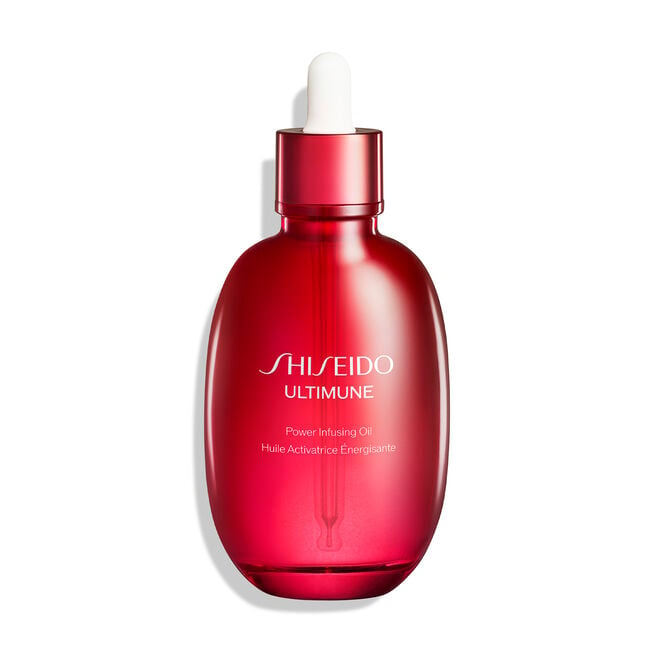
Ultimune Power Infusing Oil
Navigating the world of advanced skincare often means finding the right balance between deep hydration and barrier protection. Facial oils have become a staple for those looking to lock in moisture while defending against environmental stressors during colder months or in dry climates.
The Ultimune Power Infusing Oil is formulated to support the skin's natural defenses while providing a lightweight, nourishing finish. It is particularly well-suited for individuals seeking to boost their skin's resilience without a heavy or greasy residue.
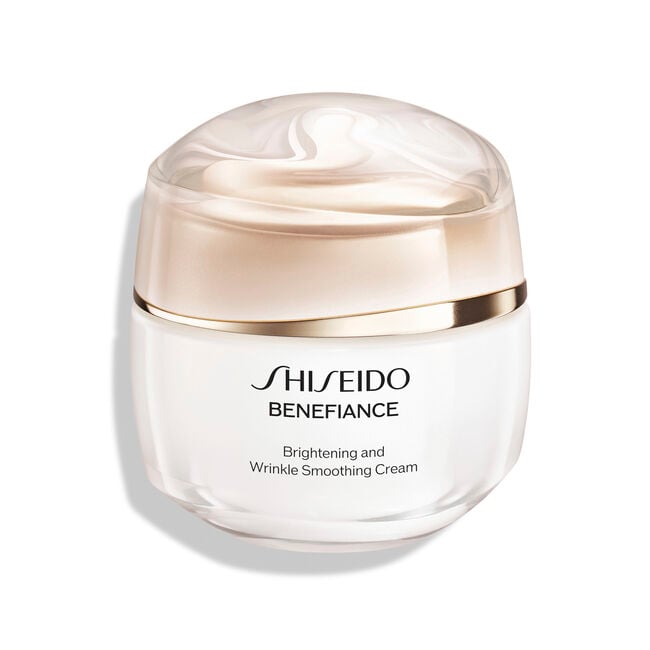
Benefiance Brightening And Wrinkle Smoothing Cream
As skin matures, it is common to experience both a loss of elasticity and the appearance of uneven pigmentation. Finding a single step that addresses both fine lines and dullness can simplify a daily regimen while targeting these dual concerns effectively.
This Benefiance cream combines brightening ingredients with wrinkle-smoothing technology to encourage a more uniform complexion. It fits seamlessly into the routines of those dealing with early to moderate signs of aging and stubborn dark spots.
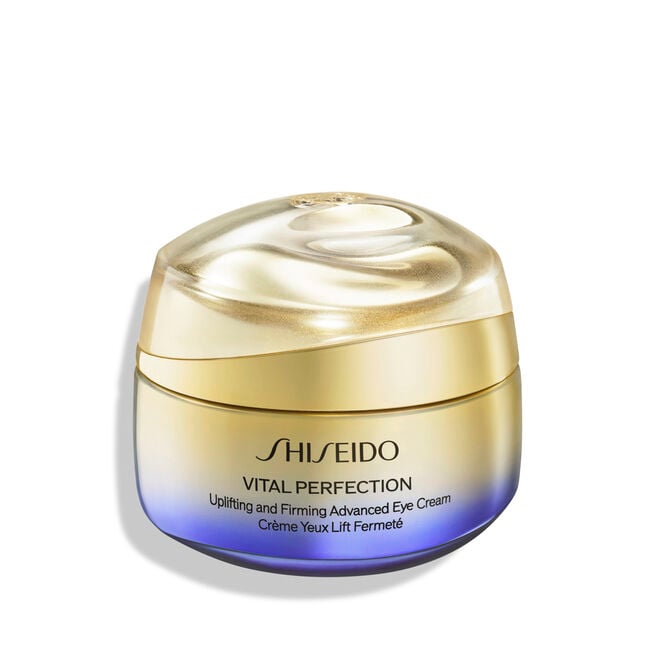
Vital Perfection Uplifting And Firming Advanced Eye Cream
The delicate skin around the eyes is frequently the first area to show signs of fatigue and aging, making it a focal point in many comprehensive skincare routines. Specialized formulations are often required to deliver active ingredients gently without causing irritation to this highly sensitive zone.
The Vital Perfection Advanced Eye Cream focuses on improving the appearance of firmness and elasticity around the orbital bone. It is an appropriate choice for mature skin types looking for targeted support to address the look of sagging and deep-set wrinkles.
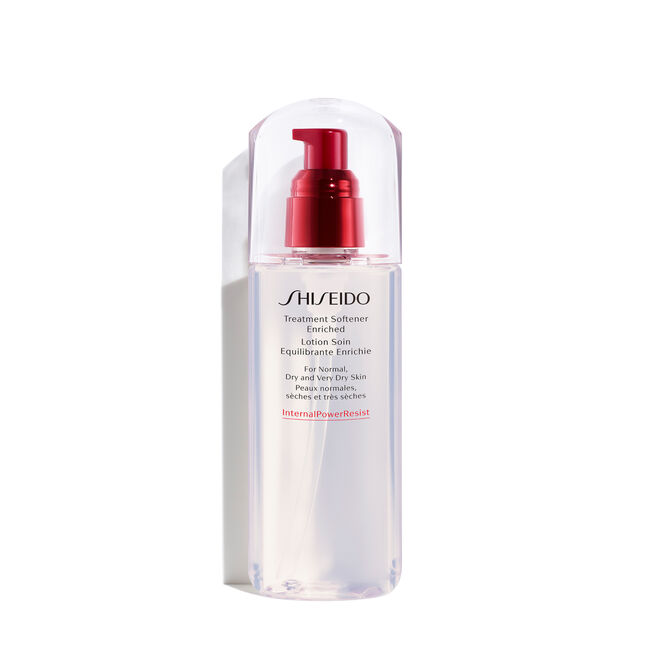
Treatment Softener Enriched
Preparing the skin immediately after cleansing is a crucial step that is often overlooked in basic routines. Using a softening lotion helps to rebalance hydration levels, ensuring that subsequent serums and heavier creams can absorb efficiently.
Treatment Softener Enriched serves as a preparatory hydration layer that actively conditions the skin's texture. It is tailored for those with normal to dry skin who want to maximize the efficacy of their subsequent anti-aging and brightening products.
Where Major Brands Fit: Marketing vs. Formula
Over 50% of recent marketing growth in luxury cosmetics is driven by digital campaigns and influencer partnerships, often operating under the modern umbrella of Skin Care PR. This massive surge in online visibility means consumers see brand messaging everywhere, making it much harder to separate marketing hype from genuine scientific innovation. Japanese heritage brand Shiseido serves as a prime example of a company blending traditional botanical extracts with cutting-edge, high-tech research.
Directly through shiseido.com, shoppers can access highly personalized routines featuring reliable staples like the Ultimune Power Infusing Serum. They also offer highly targeted treatments, such as the Benefiance Brightening And Wrinkle Smoothing Cream or the specialized Vital Perfection Uplifting And Firming Advanced Eye Cream.
However, they face incredibly stiff competition in the premium space. Alternatives like Estée Lauder’s Advanced Night Repair focus heavily on fermented ingredients for overnight recovery, while brands like Lancôme aggressively push microbiome science. Evaluating these products based on actual ingredient concentration rather than popular influencer endorsements ensures a much wiser financial investment.
The 2026 Outlook: Personalization and AI
By 2030, beauty industry leaders expect 100% personalized regimens to gradually replace traditional, off-the-shelf mass luxury products. Major consulting firms note that the future of beauty relies heavily on advanced artificial intelligence, data-driven personalization, and holistic wellness approaches. Over the next few years, retail technology will fundamentally change how everyday consumers shop for their daily routines.
Key consumer trends shaping the future of the skincare industry include:
• AI-powered virtual skin diagnostics and daily progress tracking apps
• A major cultural shift toward “inner beauty” through ingestible supplements
• Greater corporate transparency in ingredient sourcing and independent clinical trials
• The seamless integration of professional aesthetic treatments with at-home care
As established heritage brands and modern independent startups continue to innovate, shoppers who stay properly informed about the underlying science will benefit the most. Rather than relying purely on aggressive marketing claims, prioritizing hard data and verified clinical results will make it significantly easier to build effective, fairly priced routines.
This article is for informational purposes only and does not constitute medical or dermatological advice. Prices, formulations, and product availability are subject to change based on retailer and geographic region. Always verify specific ingredients and costs directly with the manufacturer.
Sources
A close look at the global beauty industry in 2025 – McKinsey U.S. Skin Care Products Market Size & Industry Report Shiseido US Official Retail Pricing