Wearable tech has shifted from bulky wristwatches to discreet, screen-free devices. In 2026, AI-powered smart glasses and ultra-lightweight health rings are taking over. But before you invest, there are a few hidden costs and technical details you must know.
Why AI Glasses and Smart Rings Are Taking Over
The global smart ring market is projected to surpass $500 million in 2026, moving consumers away from traditional, distracting smartwatch screens. Today’s top wearables prioritize “Quiet Tech”—devices that remain passive until you need them. Smart rings track your heart rate, sleep, and recovery invisibly, while smart glasses integrate voice assistants directly into your field of view without making you reach for a phone.
When evaluating these new categories, pay attention to the fundamental shifts in how they operate:
• Screen-free interaction reduces daily digital fatigue.
• Extended battery life means smart rings like the Oura Ring 4 can last up to 8 days.
• AI integration allows glasses to translate languages or capture video completely hands-free.
However, consumers often overlook the ongoing costs. A premium device might seem affordable upfront, but mandatory monthly subscriptions can add $60 to $120 a year to the true ownership cost.
How Much Will You Actually Pay? A Price Breakdown
Expect to pay between $299 and $400 for a baseline flagship wearable in 2026. The initial hardware price is rarely the final cost. Smart rings and AI glasses utilize advanced micro-sensors, but their software often sits behind a paywall.
Here is what most consumers miss when comparing the top contenders:
• Hardware baseline: Devices like Meta Ray-Ban Gen 2 and the Samsung Galaxy Ring generally start around $299 to $399.
• Subscription fees: Some rings require a $5.99/month membership to access detailed sleep and recovery data.
• Prescription upgrades: Adding custom lenses to smart frames can instantly double the cost.
• Accessory ecosystems: Proprietary charging cases often cost an additional $50 to $80 to replace.
If you are choosing a smart ring, verify if the brand offers a subscription-free model. If you are leaning toward smart eyewear, securing an updated vision prescription beforehand is crucial so you do not order incompatible lenses.
| Wearable Model | Category | Starting Price | Subscription Fee |
|---|---|---|---|
| Meta Ray-Ban Gen 2 | Smart Glasses | $299 | None |
| Oura Ring 4 | Smart Ring | $349 | $5.99 / month |
| Samsung Galaxy Ring | Smart Ring | $399 | None |
| RingConn Gen 2 Air | Smart Ring | $299 | None |
Reebok Nitrous
Smart eyewear is slowly moving from niche gadgetry into practical athletic wear. Runners and cyclists often struggle with juggling earphones, sunglasses, and tracking devices during long sessions.
The Reebok Nitrous aims to consolidate these needs into a single, straightforward accessory. It is a solid entry point for athletes who want basic audio capabilities without blocking out environmental noise.

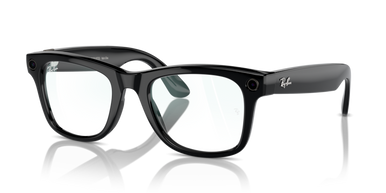
Ray Ban Meta Smart Glasses 0rw4012 Wayfarer
Integrating technology into everyday life requires a design that does not look like a piece of hardware. Many early smart glasses failed because they were too bulky or visually jarring for daily use.
By pairing modern sensor technology with the classic Wayfarer silhouette, these glasses manage to blend in completely. They are suited for casual users who want to capture point-of-view photos or take calls without reaching for a phone.
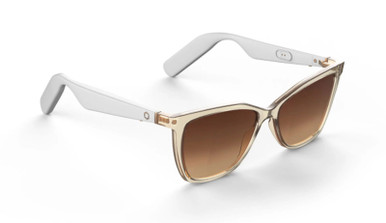
Lucyd Lyte Millennia
Prescription eyeglass wearers have historically been left out of the early stages of wearable tech. Finding frames that support custom lenses while offering smart features has been a persistent challenge.
The Lucyd Lyte Millennia addresses this gap by prioritizing optical flexibility alongside Bluetooth connectivity. It is a sensible option for office workers or commuters who want to stay connected while wearing their necessary prescription lenses.
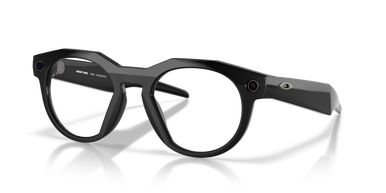
Oakley Meta Hstn Smart Glasses 0ow8002
Outdoor enthusiasts demand more rugged builds from their accessories, especially when venturing off the beaten path. Standard smart frames often lack the durability and specialized lens technology required for intense sun exposure.
The Oakley Meta Hstn combines robust frame materials with advanced lens optics and smart connectivity. This model fits best for active individuals who need reliable sun protection alongside hands-free communication and media capture.
The Prescription Requirement: Where WebEyeCare Fits In
Over 60% of adults need vision correction, making prescription readiness the biggest hurdle for buying smart glasses. Before ordering high-tech frames like the Meta Ray-Ban Gen 2, you need a highly accurate, unexpired prescription. This is where webeyecare.com provides a massive advantage.
Rather than waiting weeks for an in-person optometrist appointment, you can streamline the process online:
• At-home tests: Reviewers note renewing digitally costs roughly $15, saving the typical $90+ clinical fee.
• Cost-effective lenses: They offer traditional prescription glasses and contacts with a price-match guarantee.
• Exclusive offers: First-time buyers can often use codes like “EYES10” for a 10% discount on orders over $199.
• Specialized campaigns: Keep an eye out for their Smart TV PR promotions highlighting affordable upgrades during major tech product launches.
By securing your precise prescription through WebEyeCare first, you ensure your expensive new AI glasses will actually be usable immediately.
Who It Is Best For (Plus Top Alternatives)
The Samsung Galaxy Ring stands out by dropping subscription fees entirely for its $399 device, making it highly competitive in the 2026 market. When choosing your next wearable, match the form factor to your daily habits rather than just buying the most hyped brand.
Consider these top-rated alternatives depending on your lifestyle goals:
• Oura Ring 4: Best for deep sleep analysis and holistic health, starting at $349 (requires a monthly subscription).
• Meta Ray-Ban Gen 2: Ideal for content creators and hands-free AI users, starting at $299 (requires custom lenses).
• RingConn Gen 2 Air: A powerful budget alternative starting around $299 that skips the monthly fees entirely.
• Samsung Galaxy Ring: The perfect fit for Android users wanting seamless integration without recurring software costs.
Ultimately, the best wearable is the one you forget you are wearing. Prioritize comfort, total cost of ownership, and how easily the tech fits into your existing digital ecosystem.
This article is for informational purposes only and does not constitute medical or financial advice. Prices, features, and subscription requirements are based on 2026 data and may change. Always verify current offerings on the official brand websites before making a purchase.
Sources
Fortune Business Insights – Smart Ring Market Size 2026 Forbes Vetted – Best Smart Rings 2026 Trustpilot – WebEyeCare Reviews