Nearly five months into the war in Iran, the conflict has moved into a new phase after a temporary truce fell apart. Iran is once again threatening traffic through the Strait of Hormuz, while the U.S. has restored a naval blockade on Iranian oil exports. According to analysts cited in the report, the Trump administration now faces a difficult decision: keep escalating the conflict or accept a reality in which Iran exerts control over one of the world’s most important energy corridors.
The stakes are high for oil and fuel prices, as well as for broader market stability heading into the fall and the midterm elections. Gregory Brew of the Eurasia Group said he sees no military solution that would reliably reopen the strait, arguing that Iran retains substantial leverage. He said the most likely path is escalation first, followed by some kind of deal if that effort fails. Dan Pickering of Pickering Energy Partners added that the situation is more fragile than it was earlier in the year because global reserves are lower, the U.S. Strategic Petroleum Reserve is at a 43-year low, and China has not yet returned to the market as a major buyer.
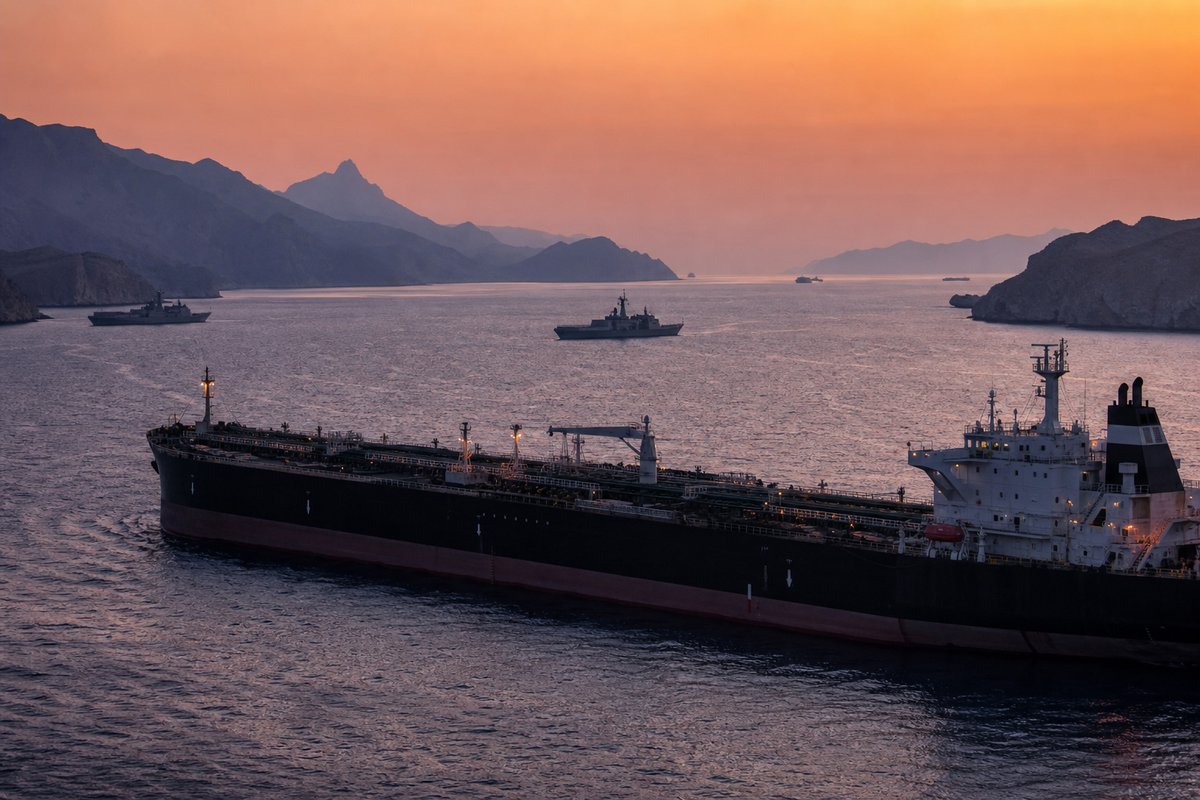
Oil prices reflected the volatility. After the temporary peace agreement in mid-June, shipping through the strait began to recover, though not fully, and crude prices fell sharply from about $124 a barrel in early May to $68 at the start of July. That relief was short-lived. By July 17, the benchmark had climbed back above $88 a barrel. The report says tanker traffic later shifted toward a southern route near Oman, which the U.S. encouraged to avoid extra payments to Iran. Iran viewed that move as a threat, the ceasefire collapsed on July 7, and attacks followed on vessels, Gulf neighbors, and U.S. military installations.
The article also notes that the U.S. has continued bombing Iran, while damage has been reported in the United Arab Emirates, Kuwait, and Bahrain. Kuwait said a desalination plant was struck, raising concern because it is a key source of drinking water in the region. Trump briefly floated a 20% toll on Hormuz traffic before shelving the idea, but the administration still says Iran should not be allowed to charge for passage. Even so, Brew said it now appears unrealistic to avoid some kind of Iranian fee structure or voluntary payment system, despite concerns that such arrangements would conflict with international maritime law.
Source: fortune.com