Tesla is set to release second-quarter earnings after the market closes on Wednesday, July 22, and the report is drawing attention well beyond the usual quarterly headline numbers. According to Zacks consensus estimates, the company is expected to post earnings of $0.50 per share, up from $0.41 in the first quarter. Even so, Tesla’s recent earnings history has been uneven, with misses in six of the last 10 quarters. At the same time, the company has shown some improvement lately, beating Wall Street estimates by double digits in each of the past two quarters and delivering an average EPS surprise of 5.48% over the last four quarters.
Options traders appear to be bracing for a relatively modest reaction. The market is currently pricing in an implied post-earnings move of about $24, or 6%, which suggests expectations are not especially elevated heading into the release. For investors, the bigger question may be whether the business can sustain momentum without sacrificing profitability.
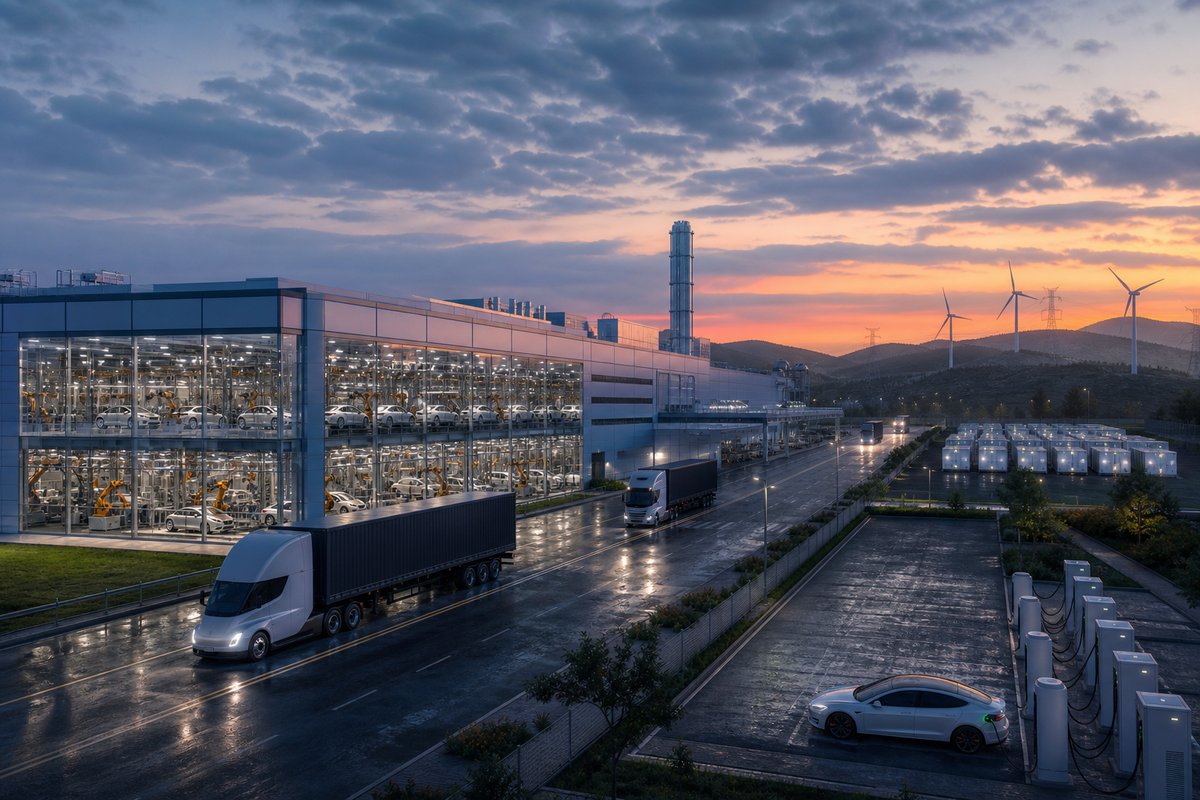
That tension is especially clear in Tesla’s core automotive segment, which still accounts for roughly 85% of revenue. The company reported about 480,000 vehicle deliveries for the quarter, well above the 406,000 Wall Street had expected and up 25% from a year earlier. But the delivery beat comes amid a weakening EV backdrop, the phaseout of federal tax credits, and Tesla’s use of promotional financing and lower prices in markets such as China and Europe. The key issue is whether higher volume can offset the margin impact of those incentives and discounts.
Tesla’s energy business is also under scrutiny. Deployments in the segment rose 40% year over year, and the company recently announced a 16-gigawatt distributed energy agreement with SunRun aimed at utilities and data center operators. Tesla also brought the largest lithium refinery in the United States online earlier this year. While the segment appears to be growing, investors will be watching for signs that capital spending in the area begins to stabilize. Beyond the current quarter, attention remains fixed on future products such as the Optimus humanoid robot and robotaxi, which continue to shape the long-term investment case.
Source: nasdaq.com