Low-income households in London are paying a significant extra cost to access ordinary goods and services, according to a new study funded by Trust for London. The research, carried out by Fair by Design, says the burden can exceed £600 a year in some parts of the capital.
In Peckham, families on lower incomes were found to pay an average of £493 more a year than better-off households for identical items. The report says the gap is driven by several factors, including greater use of high-interest credit and higher charges for customers who do not pay by direct debit.
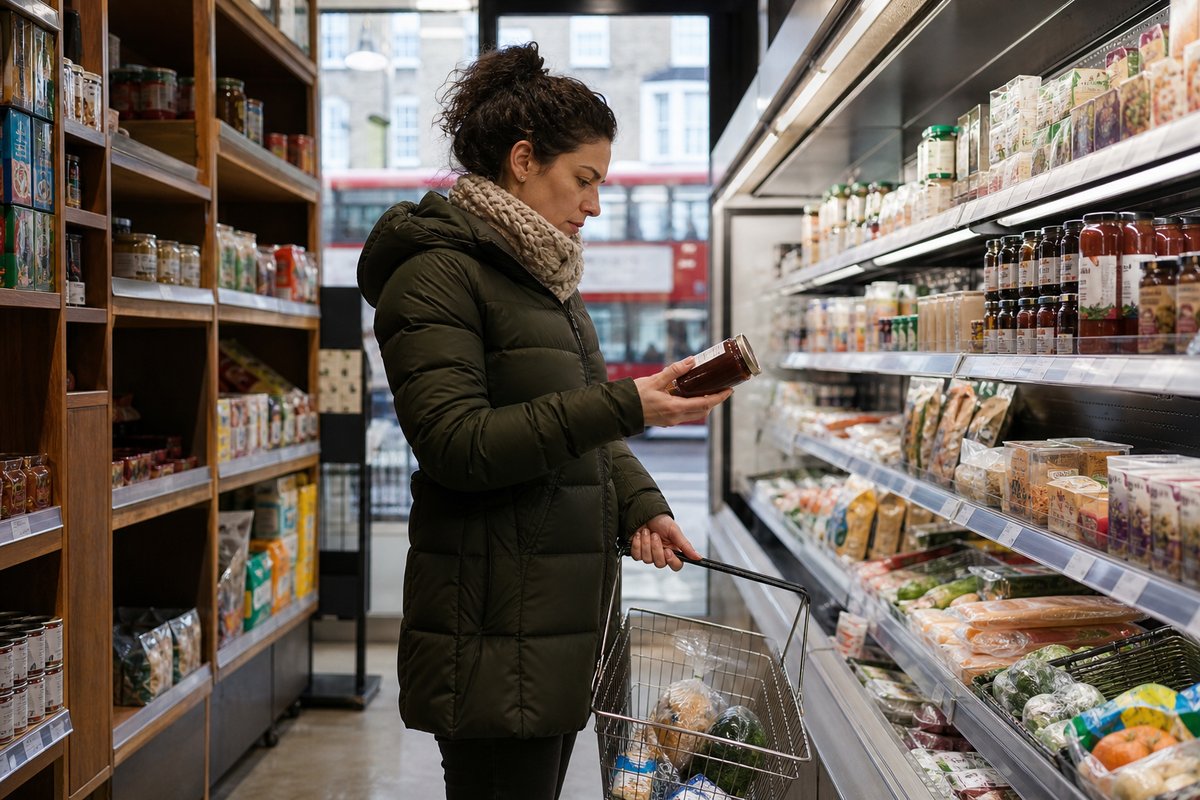
The study identified food shopping as the biggest contributor to the so-called poverty premium. It found that 39% of families are forced to use local convenience stores rather than larger supermarkets, where prices are often lower. The research also said energy and motor insurance costs continue to disadvantage poorer households across Britain, even after recent regulatory changes.
Pressure from housing and bills
At a free cafe in Peckham run by the charity Pecan, visitors described the strain of rising costs. One local resident said he often sees items in the supermarket that he cannot afford, while the charity’s community engagement officer said higher rents are pushing some families out of London and away from their support networks.
Trust for London’s chief executive urged regulators to consider the impact of market structures on people in poverty, particularly where monthly billing or direct debit arrangements lead to higher charges. A government spokesperson said ministers were committed to reducing poverty and pointed to measures including a crisis and resilience fund, the removal of the two-child benefits limit, and the lifting of the minimum wage. The spokesperson also said household incomes had risen in real terms and food insecurity had fallen.
Source: bbc.co.uk