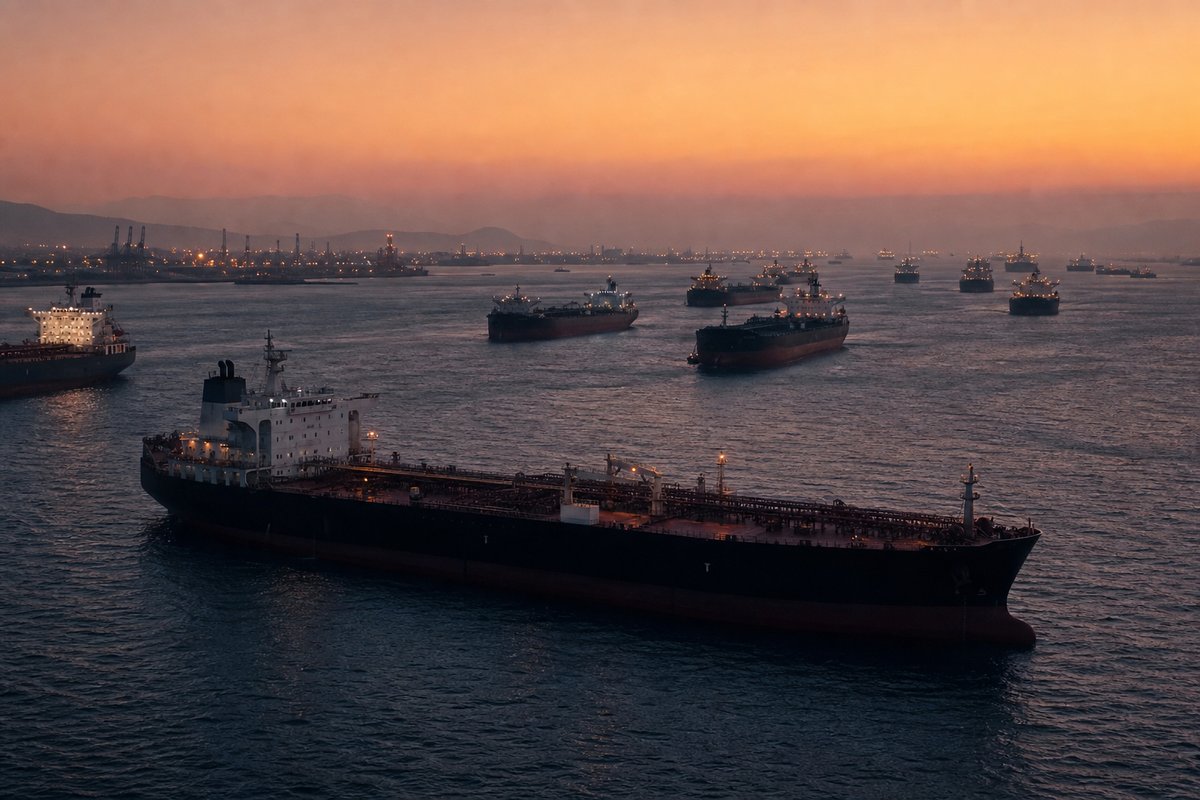
Oil prices slipped below $70 a barrel earlier in the week, but energy analysts say the market may be underestimating how long disruption around the Strait of Hormuz could last. According to the report, global petroleum reserves have been drawn down by nearly 1 billion barrels, several idle refineries have not restarted, and China has not yet returned to large-scale purchases of crude.
President Donald Trump’s recent statement that the interim peace arrangement with Iran is “over” has added to uncertainty after renewed drone and rocket exchanges. The article says traffic through the strait has remained well below normal, even after a temporary easing in tensions, and that some vessels were fired on as the U.S. sought to shift shipping closer to the Oman side of the waterway.
Analysts see higher prices ahead
Energy executives quoted in the report said Iran is unlikely to restore normal transit conditions quickly and may instead push for a toll-like arrangement that would keep flows constrained. One analyst estimated that traffic could remain near half of typical volumes, while pipeline alternatives in Saudi Arabia and the United Arab Emirates would take at least a year to expand enough to offset the shortfall.
Other observers pointed to China as a key variable. The report notes that China has reduced imports by roughly 5 million barrels a day while drawing on its strategic reserves, but may begin buying more again by late August. If that happens, analysts said oil prices could climb back toward $90 a barrel, creating a political headache for the Trump administration as it tries to keep fuel costs down ahead of the November midterm elections.
Source: fortune.com