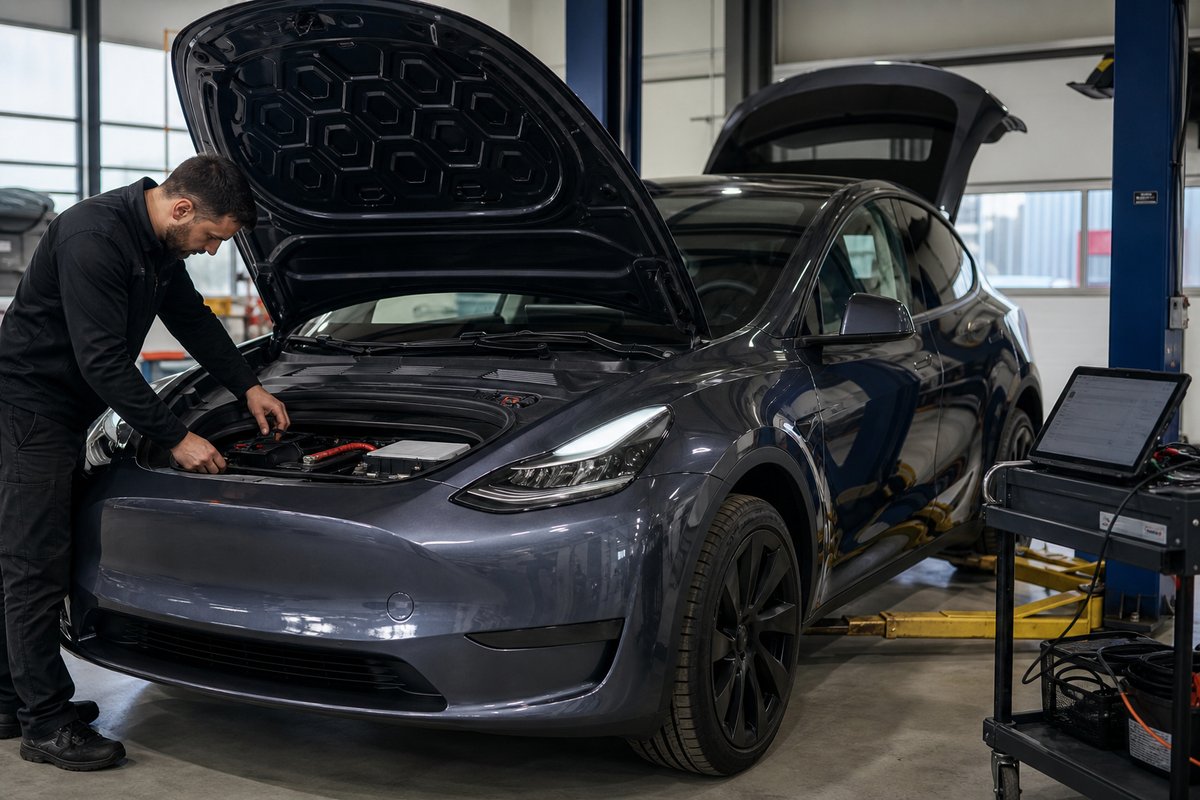
The “right to repair” debate, long associated with phones and other consumer electronics, is increasingly moving into the auto industry. Lawmakers and repair advocates are pressing manufacturers to give vehicle owners and independent shops broader access to the information needed to service modern cars, especially as software and data become central to maintenance.
One of the main proposals is the Repair Act, first introduced in 2023 and brought back in 2025. The bill would require automakers to provide owners and independent repair businesses with the same diagnostic information and tools that franchised dealers already receive. It would also give the Federal Trade Commission authority to act against companies that do not comply. Supporters argue that without that access, consumers can be pushed toward dealer-only service and higher costs. Automotive creator ChrisFix, who has built a large audience through repair videos, said consumers should be able to choose where their vehicles are serviced and warned that a dealer monopoly could drive prices higher.
The concern goes beyond physical parts. According to the report, automakers can limit access to repair data in ways that make outside service difficult, and that problem has grown as more vehicles, including EVs, rely on software and data streams. Bill Hanvey, president and CEO of the Auto Care Association, said the information needed to repair many newer vehicles is being sent back to manufacturers rather than made available to consumers and independent shops. A Congressional Research Service report said some automakers restrict software access because of competition, and it also found that auto maintenance and repair prices have been rising faster than inflation for parts, new cars and used cars.
At the same time, the push for openness is running into concerns about cybersecurity and control over vehicle systems. Louay Abdelkader of QNX said there must be a balance between giving consumers more freedom and protecting both the data and the vehicle itself. Hanvey said independent repairs can cost as much as 36% less than dealership service, and a study commissioned by the Auto Care Association found that 51% of independent shops had to send up to five vehicles a month to dealers because of data restrictions. The issue has taken on added urgency as EV ownership grows and the industry works out who gets access when manufacturers control the software, the diagnostics and the service network.
Source: fortune.com