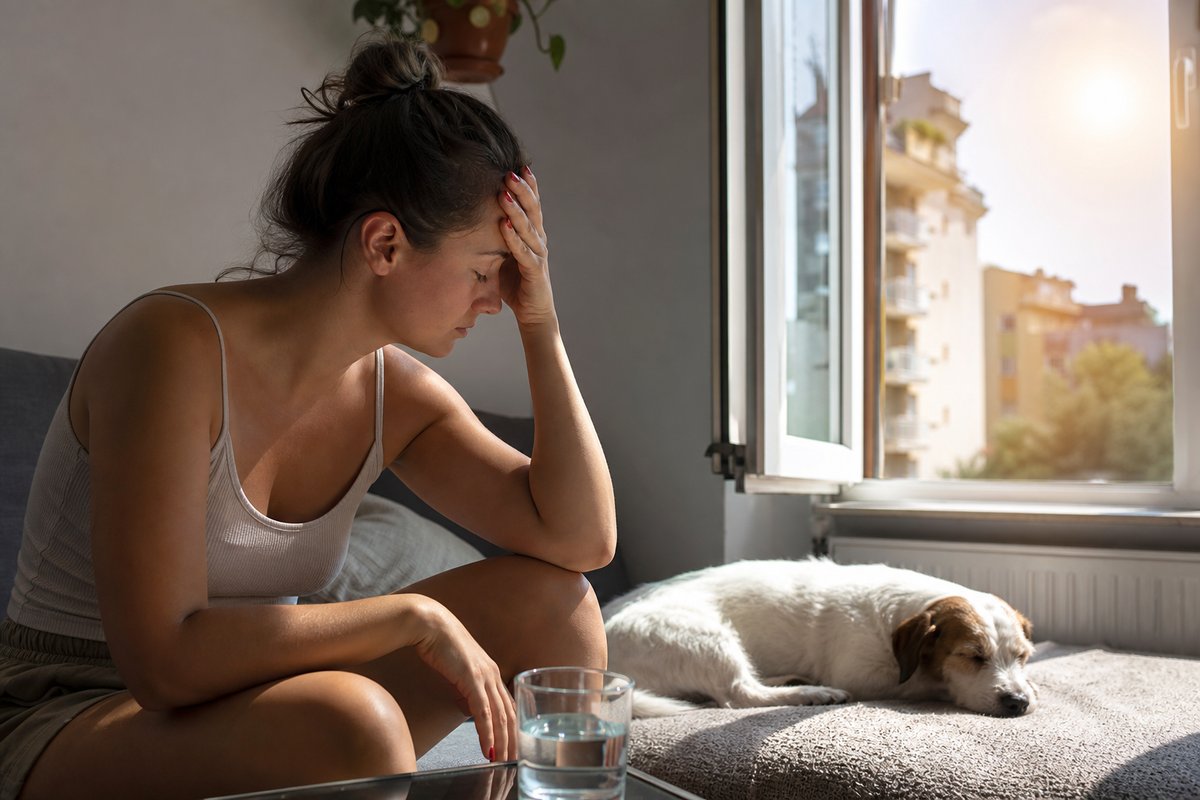
As the UK faces another heatwave, mental health experts are drawing attention to a less visible impact of extreme temperatures: anxiety that worsens when the weather turns hot. According to new research from Oxford University, high temperatures can trigger anxiety and other mental health difficulties, adding pressure to an already strained wellbeing picture during periods of prolonged heat.
For Lauren Murphy, a 34-year-old from Southampton, the effect is immediate and physical. She lives with anxiety and agoraphobia, a condition marked by an intense fear of feeling trapped, and says warm weather can make her feel isolated and unable to breathe. She describes noticing the issue first while abroad a few years ago, when high temperatures brought on the sensation that she could not get enough air. When similar conditions returned in the UK, the same fears came back, and she said this year has been the worst so far. She also links the worsening of her anxiety to becoming a parent and later being diagnosed with ADHD.
Heat, mental health and a difficult feedback loop
Lauren says the physical signs of heat — a faster heartbeat, sweating, a heavy chest and trouble concentrating — can be especially alarming when she is already anxious. That can create a cycle in which bodily sensations intensify fear, and fear in turn makes the symptoms feel stronger. She said her dog, Diego, often helps calm her by resting his head on her when she feels panic building.
Experts say her experience is not unusual. A 2022 University of Bath study estimated that about 4.6% of people in the UK had climate anxiety. The condition is recognised by professional bodies and the NHS, and a 2025 study identified young people and women among those most at risk. Professor Ciara McCabe of the University of Reading said heat stress can feel similar to anxiety because the body’s response overlaps, making it harder to separate the two. She added that more heatwaves are likely to mean more people experiencing these symptoms. Lauren says she has learned coping methods including journaling, tapping techniques, breathing exercises, yoga and spending time in nature, and she encourages others to ask for help if they are struggling.
Source: bbc.co.uk