As summer temperatures climb in 2026, many homeowners face skyrocketing energy bills. But keeping your living space comfortable doesn’t require running the central air non-stop. Here is what you need to know to cut costs without sacrificing comfort.
How to Stop Overpaying: 7 Simple Cooling Strategies
Simple behavioral changes and minor upgrades can reduce your cooling costs by up to 20%. Before replacing expensive hardware, ensure you are not missing the basics. The U.S. Department of Energy recommends a combination of shading, ventilation, and targeted cooling to stay comfortable without breaking the bank.
Here are the core methods to implement today:
• Smart thermostats: Can cut your baseline cooling costs by roughly 8%.
• Cross-ventilation: Open windows during cool mornings and evenings to harness natural breezes.
• Blackout curtains: Block radiant heat during peak afternoon hours.
• Ceiling fans: Create a wind-chill effect so you can comfortably raise the thermostat.
• Draft sealing: Weather-stripping prevents cold, conditioned air from escaping outside.
• Indoor plants: Cool the surrounding air naturally through a process called transpiration.
• Zoned cooling: Cool only the specific rooms you actually use.
What Does Comfort Actually Cost? A Price Breakdown
Cooling an entire house when you only occupy one room is a common oversight that drastically inflates energy bills. According to official federal estimates, typical homes lose 20% to 30% of the conditioned air moving through traditional leaky ductwork. That means you are literally paying to cool the inside of your attic or crawlspace.
If you want to stop paying for lost air, you need to evaluate targeted cooling options. Portable and ductless methods allow you to focus your energy usage exactly where you need it most, bypassing the duct system entirely.
Below is a breakdown of what you can expect to spend when exploring different equipment upgrades. Choosing the right scale for your cooling needs is the most effective way to lower your monthly footprint.
| Cooling Method | Estimated Upfront Cost | Typical Running Cost | Best Used For |
|---|---|---|---|
| High-Velocity Fans | $40 – $150 | $2 – $10 / month | Single room air circulation |
| Portable AC Unit | $200 – $600 | $20 – $40 / month | Renters or temporary spot cooling |
| DIY Mini-Split (12k BTU) | $800 – $1,600 | $15 – $30 / month | Large rooms or permanent zoning |
| Central Air Upgrades | $4,000 – $8,000+ | $50 – $120+ / month | Whole-house temperature control |
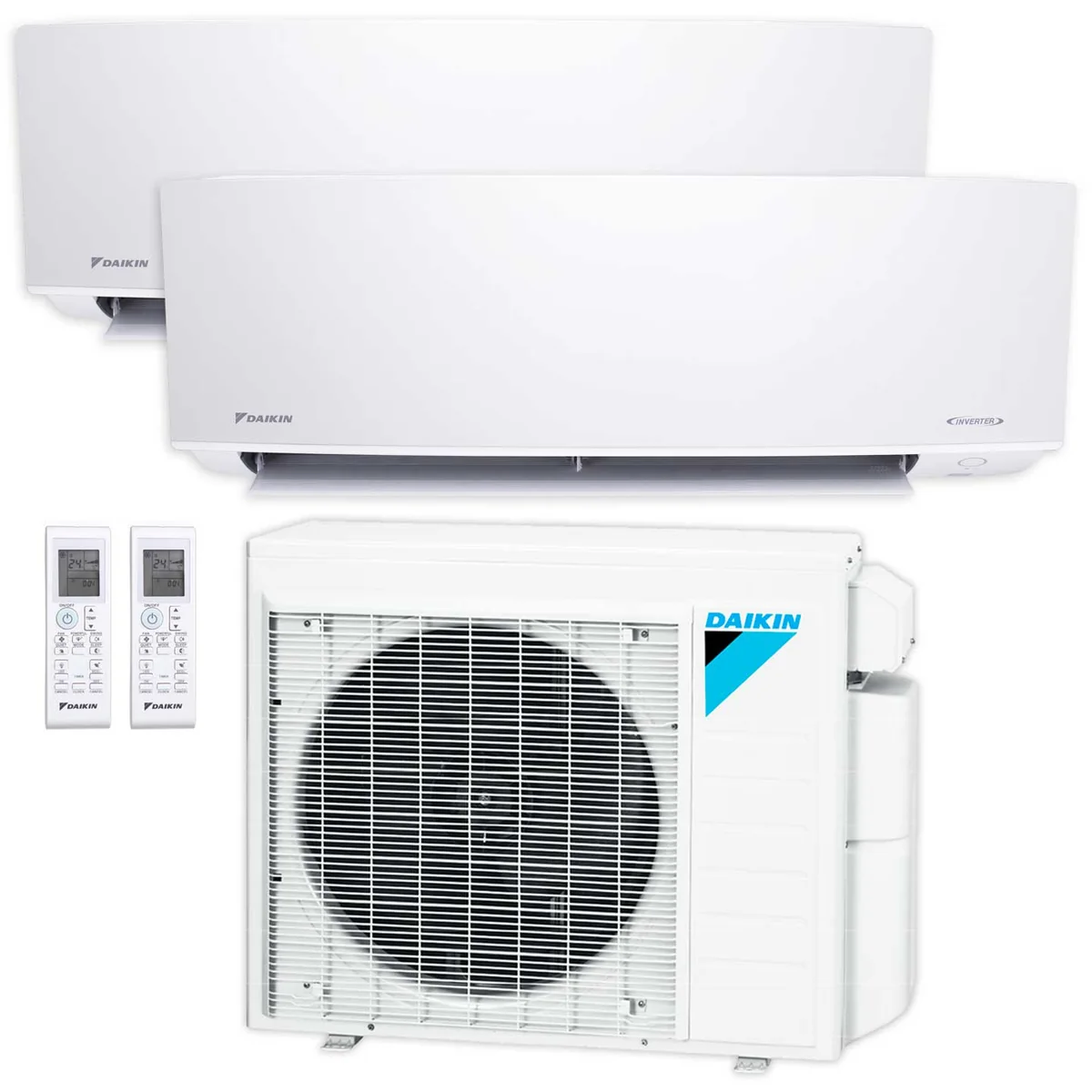
2 Zone Daikin 17 SEER Multi Zone
Cooling an entire house centrally can be wildly inefficient, especially if you only spend your days in a couple of specific rooms. Focusing your climate control efforts on high-traffic areas is a practical strategy to maintain comfort while keeping overall energy consumption in check.
This multi-zone setup from Daikin addresses that exact scenario, allowing independent temperature management for two distinct spaces. It is a solid fit for homeowners looking to balance reliable brand performance with moderate upfront costs.
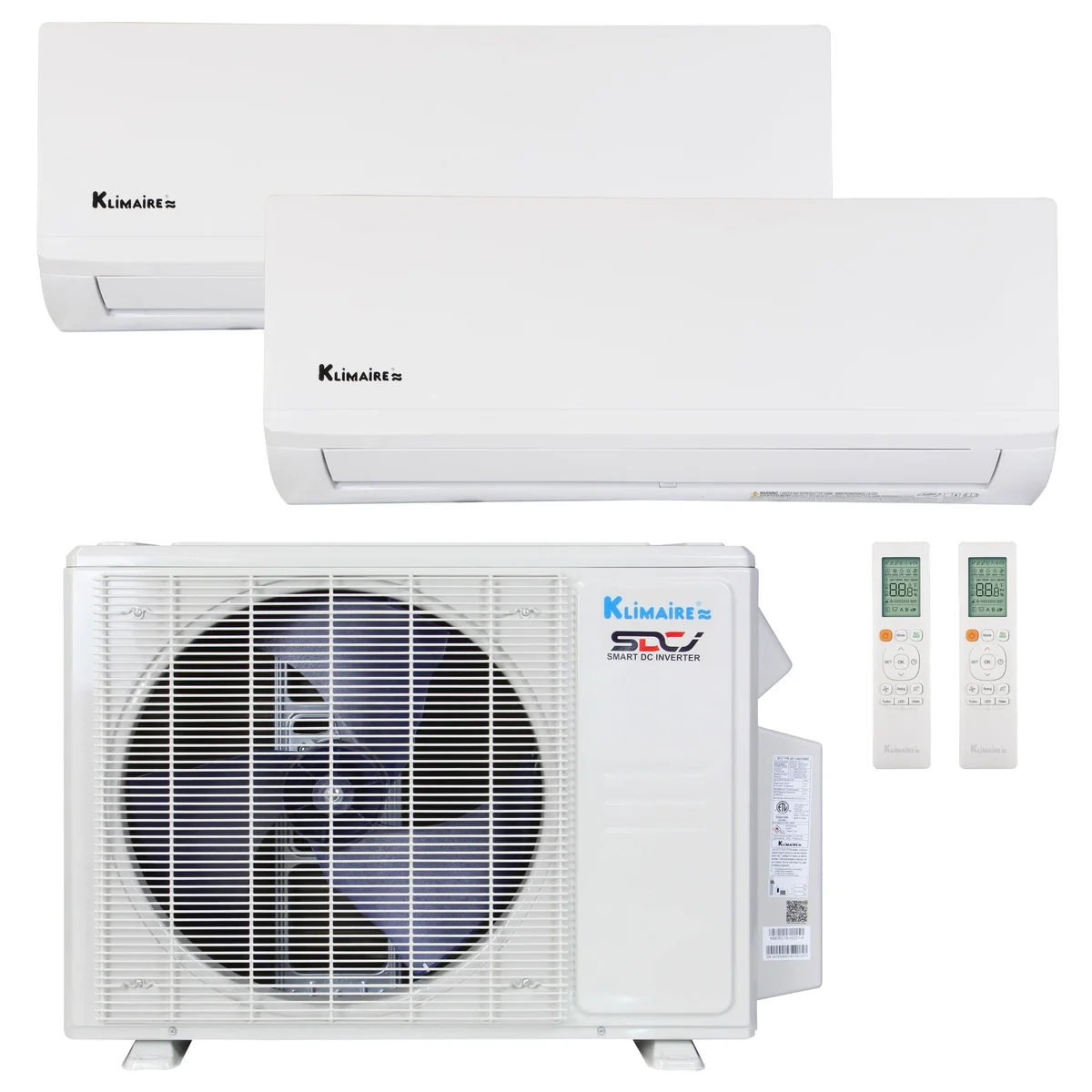
2 Zone 12 000 BTU 23 SEER2
Upgrading to newer efficiency standards is one of the most effective long-term methods for reducing household energy demands. As older systems work harder and draw more power, transitioning to modern equipment ensures your daily comfort does not come with a heavy utility burden.
Featuring an impressive 23 SEER2 rating, this dual-zone system is designed for maximum efficiency in smaller homes or apartments. It caters specifically to energy-conscious buyers who need to cool a living room and bedroom simultaneously without wasting power.
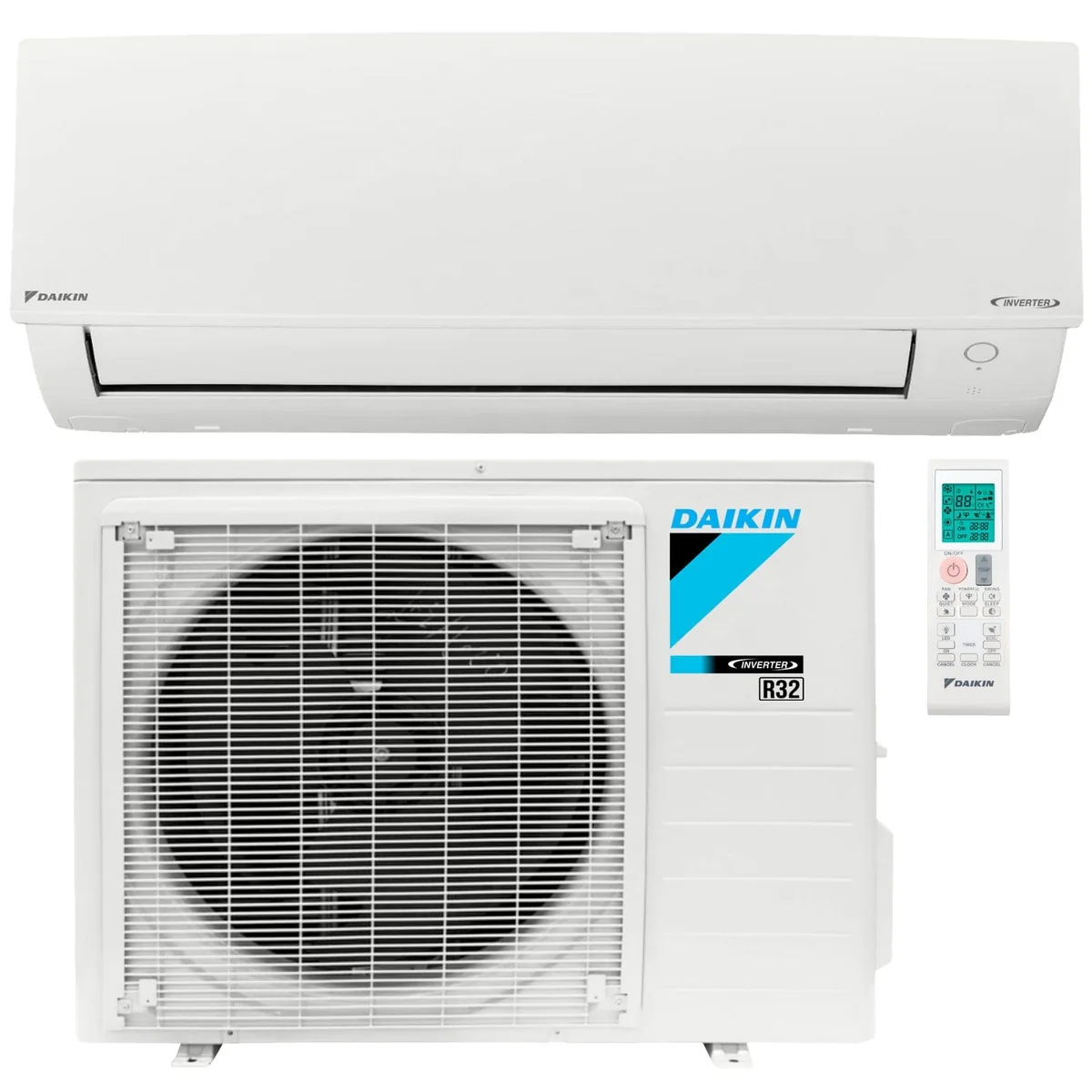
Daikin 24 000 BTU 18 SEER2 Entra
Open-concept living areas and large master suites require more cooling power than standard bedroom units can provide. When a single large space becomes uncomfortably warm, undersized equipment will constantly run, defeating the purpose of an energy-efficient upgrade.
The Daikin Entra series steps in with a robust capacity built specifically for these larger, open zones. It is well-suited for those needing to cool a substantial area efficiently without the complexity of installing multiple air handlers.
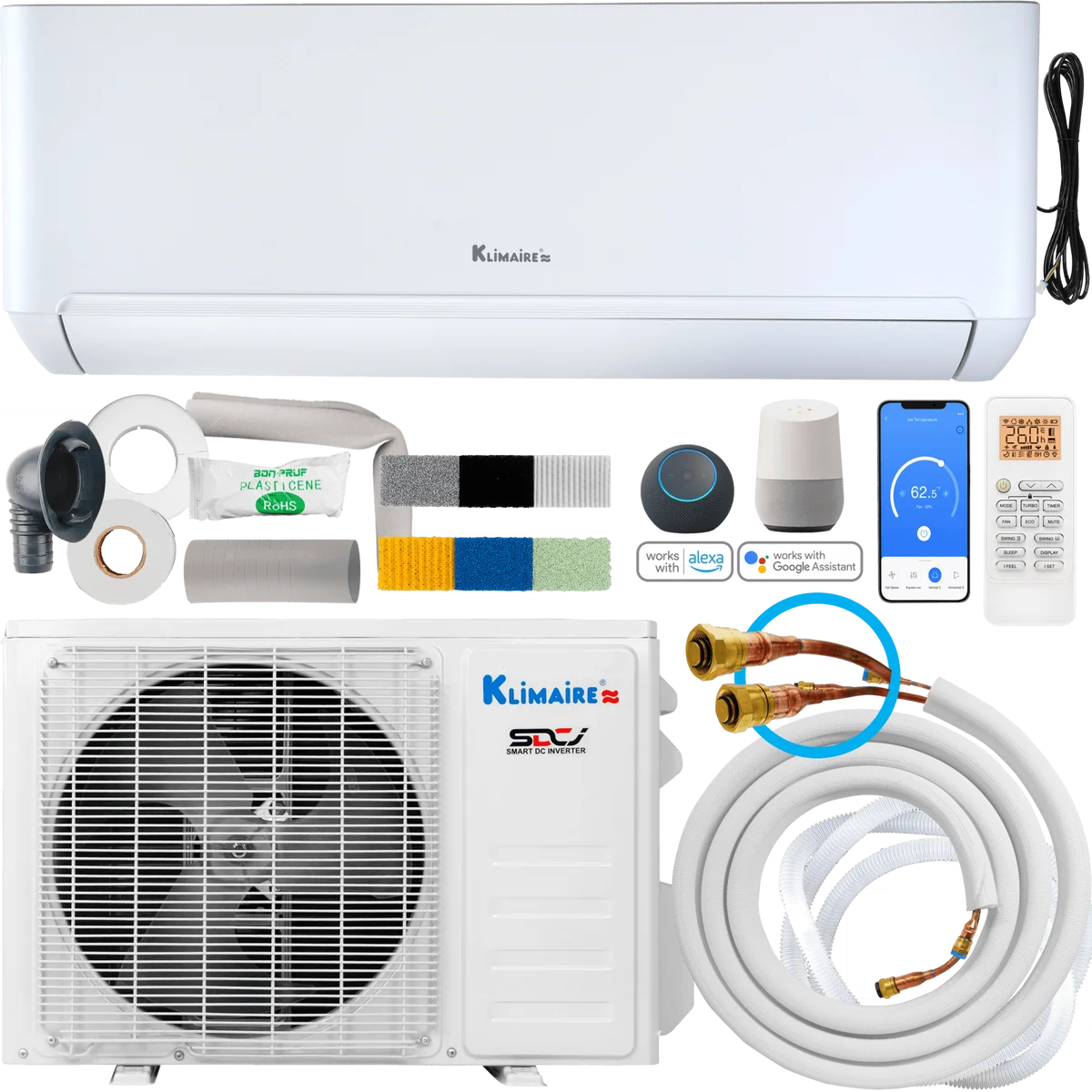
Klimaire 12 000 BTU 23 SEER2 Single
Sometimes a home has one stubbornly hot room like a sunroom, a home office, or an attic conversion that the central air simply cannot reach effectively. Adding a dedicated unit to these isolated spaces prevents you from overcooling the rest of the house just to make one room bearable.
The Klimaire single-zone unit is an efficient solution for targeting these individual problem areas. It appeals to remote workers or homeowners who want highly localized, efficient cooling without overhauling their entire ductwork system.
How Zoned Cooling Works — And Where HeatAndCool.com Fits
Switching to a ductless mini-split for your main living area can bypass traditional duct loss entirely. For homeowners exploring zoned cooling, online retailers like HeatAndCool.com provide a wide selection of direct-to-consumer equipment. This allows buyers to source commercial-grade units without middleman markups.
A popular option for large open spaces is a 24,000 BTU system, which is strong enough to handle spacious living rooms or garage conversions. HeatAndCool.com features options like the Klimaire Quick Connect mini-split. This specific system comes with pre-charged refrigerant lines, allowing for a Do-It-Yourself installation without needing specialized HVAC tools or vacuum pumps.
Keep in mind that while DIY systems save on professional labor costs, they still require mounting heavy equipment and electrical know-how. If installed poorly, you may lose efficiency or void the manufacturer’s warranty.
What Most People Miss: Assistance Programs and Alternatives
Qualifying households can receive free home efficiency upgrades through the federal Weatherization Assistance Program (WAP). Additionally, the Low Income Home Energy Assistance Program (LIHEAP) helps eligible families cover high summer cooling bills and emergency HVAC repairs. Check with your local state agencies to see if you qualify for these crucial 2026 benefits.
If you do not qualify for assistance and want to look beyond the featured brand, consider these consumer-friendly alternatives:
• MrCool DIY Systems: A widely reviewed ductless alternative available at major hardware retailers like Home Depot.
• Portable AC Units: A fast plug-and-play solution costing $200 to $600, perfect for renters who cannot modify their walls.
• Window Fans: A budget-friendly way to maximize natural cross-breezes for under $100.
This article is for informational purposes only and does not constitute financial, legal, or professional HVAC advice. Prices, assistance programs, and product availability are subject to change. Always consult a licensed professional before performing electrical or structural work on your home.
Sources
Home Cooling – Department of Energy HeatAndCool.com – Klimaire Quick Connect Systems Low Income Home Energy Assistance Program (LIHEAP)