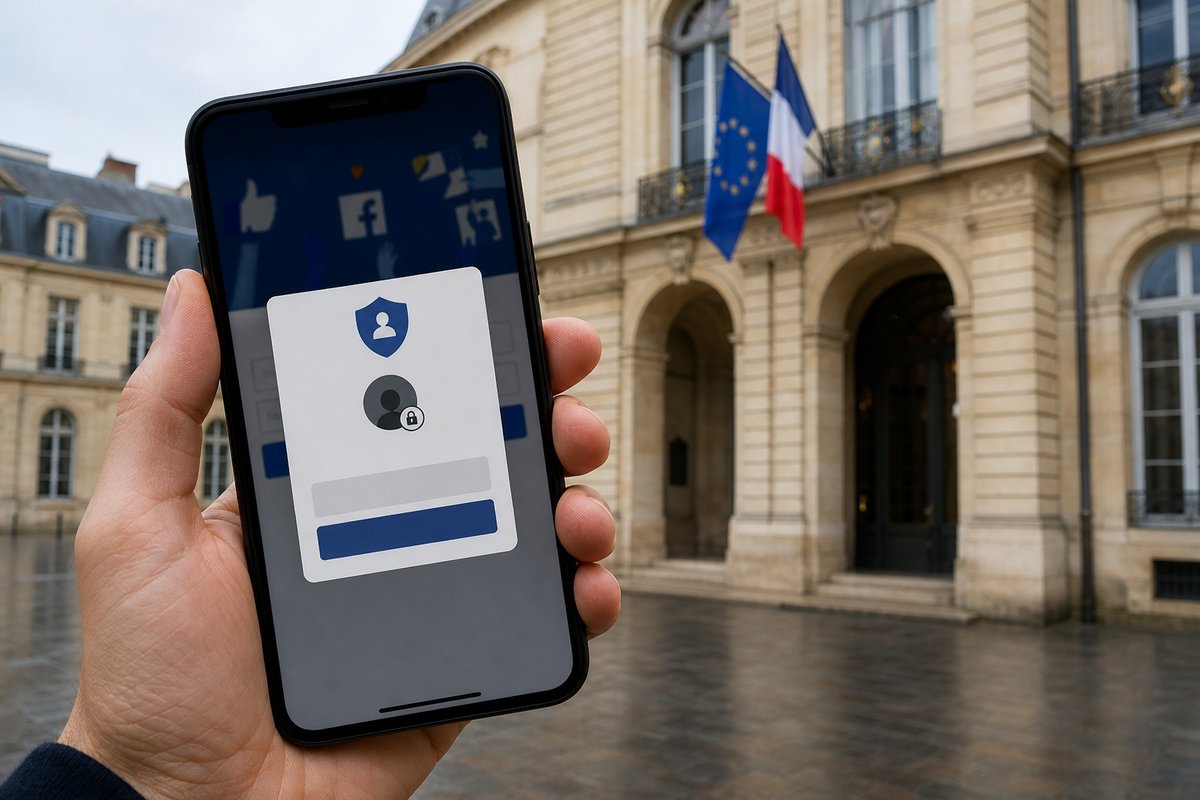
France has approved legislation that will stop under-15s from using social media from January 2027, making it the first European country to introduce such a restriction. The measure is part of a wider European discussion about how governments should respond to concerns over children’s mental health, online safety and platform access.
The law, backed by both the Senate and the National Assembly, will be rolled out in two stages. From September, new users under 15 will be blocked from opening accounts, with age checks required at sign-up. By January 2027, the rule will extend to existing accounts as well, meaning all users in France will need to prove they are over 15 to access social media. According to the report, platforms will have to rely on age-verification tools approved by France’s privacy regulator.
President Emmanuel Macron has welcomed the decision, which aligns with a pledge he had made earlier in his presidency. Supporters say the government is moving ahead because the necessary technology already exists. Critics, however, have raised questions about privacy, the reliability of age checks and whether young people could simply find ways around them. Some opponents also argue the law was introduced too quickly.
The French move comes as other European policymakers consider similar restrictions. In the UK, former Prime Minister Sir Keir Starmer announced in June that under-16s would be barred from social media from January 2027, alongside an optional midnight curfew for 16- and 17-year-olds. At EU level, Commission President Ursula von der Leyen has proposed a “social media delay” for children and said further legislation could follow in the coming months.
France is only the second country to adopt a ban of this kind, after Australia. But the Australian experience has already prompted doubts about enforcement: the report says many under-16s there continue to access social media, even after the restriction was introduced. That has led analysts to question whether age limits can be fully enforced without broader changes in how platforms operate.
For European markets and regulators, the French law adds another sign that online safety is becoming a more active policy area across the continent. It also highlights the balance governments are trying to strike between child protection, privacy and the practical limits of enforcement.
Source: bbc.co.uk