Inflation in the UK cooled to 2.6% in June, falling faster than forecast and easing from 2.8% in May, according to the Office for National Statistics. Economists had anticipated a smaller decline to 2.7%, so the latest reading came as a modest surprise for markets tracking the pace of price growth.
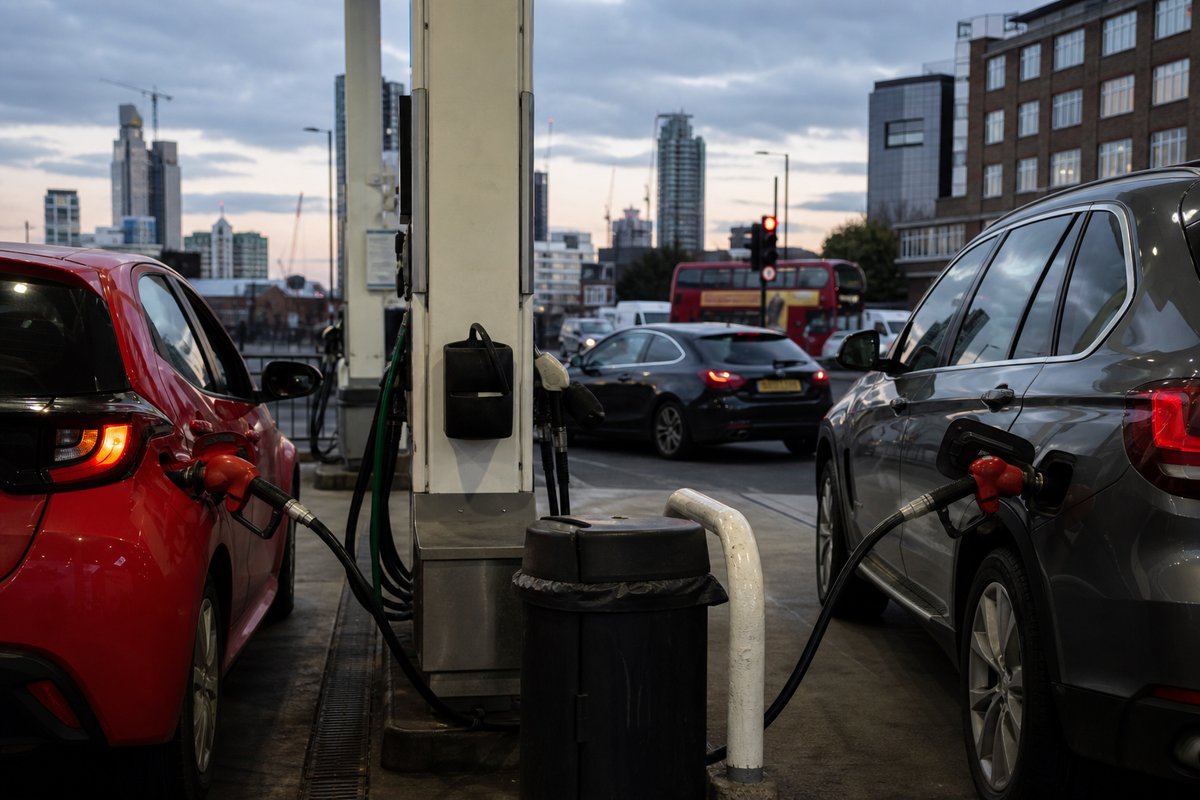
The main forces behind the slowdown were lower motor fuel costs, especially diesel, alongside weaker food prices. The ONS said food prices fell during the month, with chocolate, margarine and beef among the products pulling the figure down. Clothing prices also eased as summer sales began, with discounts reportedly deeper than a year earlier. At the same time, the cost of raw materials fell for the first time since January, helped by lower crude oil prices, while the rise in factory-gate prices slowed again.
Markets watch energy risks as inflation picture improves
The softer inflation reading may be welcomed by policymakers and investors, but the report also highlighted risks ahead. With oil prices rising again amid renewed tensions in the Middle East, some economists warned that inflation could face renewed upward pressure later in the year. One analyst noted that lower fuel prices had helped restrain inflation in June, but argued that the more important question for the Bank of England is whether the latest shock proves temporary or develops into a broader domestic problem.
For now, the cooling trend may ease pressure on the central bank and support expectations that rates could remain unchanged while officials assess the outlook. The slowdown also offers some political relief at a time when the government is under pressure to address the cost of living. Even so, the latest figures suggest the inflation story remains sensitive to energy markets, making the path ahead less certain for households, businesses and investors alike.
Source: theguardian.com